••
Africa's Path to Integration: Ghana Leads the Charge in Energy, Technology, and Narrative Transformation
•3 min read•16 sources
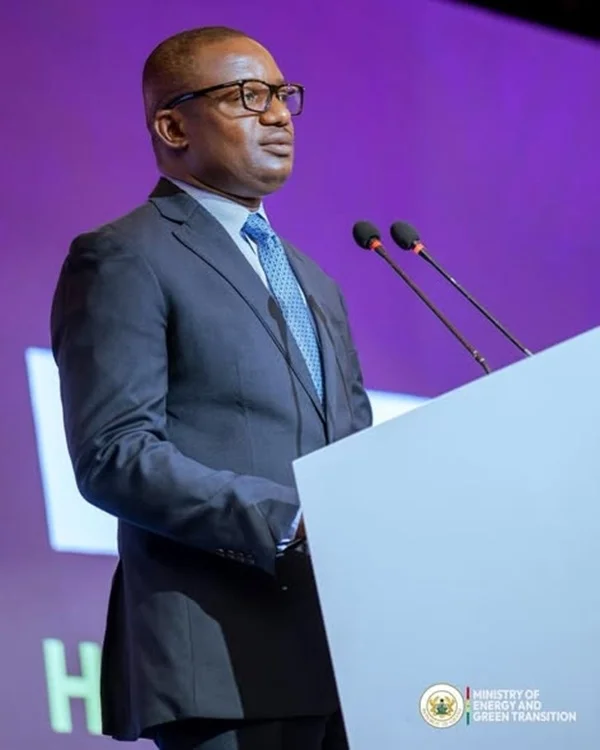
The 2026 Africa Energy Technology Conference (AETC) in Accra has emerged as a focal point for the continent's ambitions, with leaders calling for a shift from "borders to bridges" through energy and technology integration. Emilia Cedar Palm Akuma, President of the AETC, emphasized the urgent need for African governments and investors to harmonize regulations and build integrated energy systems to drive industrialization. This call to action is underscored by the stark reality that 600 million Africans still lack access to electricity. In response, Ghana’s Minister of Energy, Dr. John Abdulai Jinapor, unveiled a strategic plan to deploy over 1,000 megawatts of emergency power to address the country’s energy deficit, signaling a broader commitment to self-solving Africa's infrastructure challenges rather than relying on external funding.
The push for integration extends beyond energy into the digital and financial sectors. Tawa Bolarin, Director at Telecel Ghana, recently urged African governments to dismantle barriers to digital trade, advocating for a borderless market that promotes financial inclusion and innovation. However, these advancements face significant hurdles, including low smartphone ownership and a lack of technical skills across many regions. Parallel discussions on climate financing have further highlighted the need for policy certainty and institutional capacity. Experts at a roundtable in Accra noted that while frameworks for climate investment exist, fragmented systems and regulatory inconsistencies continue to hinder the mobilization of necessary funds for sustainable economic growth.
Amidst these technological and economic shifts, the scientific and environmental landscapes are also evolving. A study led by Dr. Joseph Opoku Gakpo cautioned against overhyping agricultural innovations like gene editing, which, while promising for crop resilience and nutrition, requires balanced media representation to avoid public skepticism. The research suggests that ignoring grassroots opinions in favor of elite narratives could foster distrust, similar to the pushback seen during the COVID-19 pandemic. Simultaneously, the University of Ghana's Afri-SET is addressing environmental health through regional workshops on air quality. With thousands of premature deaths in Ghana linked to air pollution from vehicle exhaust and waste burning, the initiative aims to train local experts in sensor deployment and data analysis to provide solutions tailored to African conditions.
Cultural identity and narrative reclamation remain central to Africa's development strategy. Abeiku Santana, Deputy CEO of the Ghana Tourism Authority, recently celebrated the success of the "December in Africa" brand, positioning Ghana as the continent’s premier destination for lifestyle and festivals, particularly for millennials and Gen Z. This effort to define Africa's story is being institutionalized through the launch of "Africans Communicating Africa" (AfriComms Africa) in Accra. By bringing together communication professionals to reshape the continent's narrative in an AI-driven world, the initiative seeks to ensure that Africa defines its own experiences authentically, moving away from historical stereotypes and toward a future of self-determined growth and global influence.
This story touches markets covered on Anansi Intelligence ↗.
More from africa
Continue exploring similar stories


