••
WFP and Lions Club Launch Pilot Home-Grown School Feeding Program for 33,500 Ghanaian Students
•2 min read•2 sources
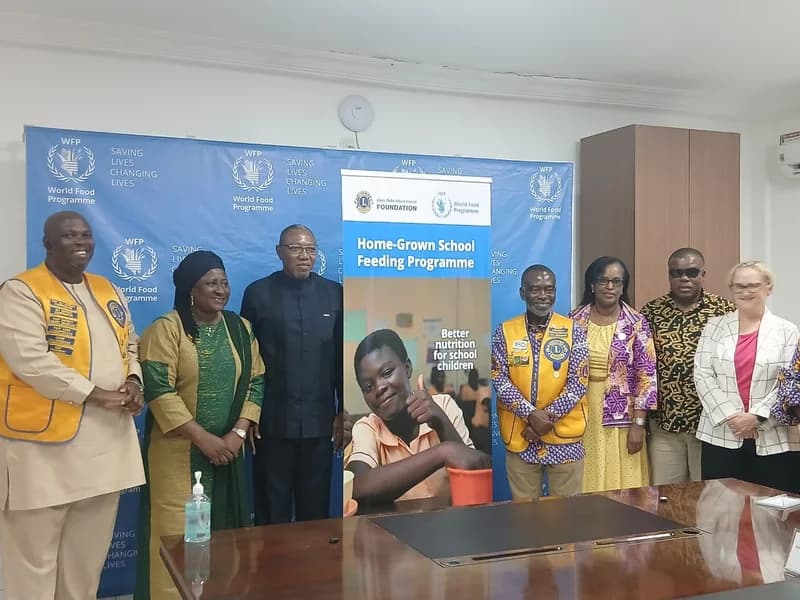
The United Nations World Food Programme (WFP) and the Lions Club International Foundation have officially launched a pilot initiative under the Home-Grown School Feeding (HGSF) Programme, targeting 33,598 schoolchildren across two regions in Ghana. The one-year project focuses on approximately 100 schools within the Karaga District in the Northern Region and the Sekyere Central District in the Ashanti Region. This collaboration aims to bolster the nutritional intake of students while simultaneously strengthening the local agricultural value chain by sourcing ingredients directly from nearby communities. A core component of the initiative is its home-grown strategy, which prioritizes purchasing food from local smallholder farmers. By creating a stable and reliable market for these producers, the program seeks to stimulate local economies and improve food security in the targeted districts. Beyond providing meals, the HGSF model is designed to improve overall learning outcomes by ensuring students are well-nourished and better equipped to focus in the classroom. This approach addresses the dual challenges of rural poverty and child malnutrition through a single, integrated framework. Financial support for the pilot is part of a larger $12 million global commitment over three years, with the Lions Club International Foundation and WFP USA each contributing $2 million annually. The initiative is designed to complement Ghana's existing National School Feeding Programme, enhancing the quality and nutritional value of meals served under the current government framework. The project involves close collaboration with various governmental ministries to ensure alignment with national human capital development goals and sustainable food systems. Ultimately, this partnership represents a significant step toward achieving Sustainable Development Goal 2, which aims to end hunger and achieve food security. By integrating school nutrition with local food systems, the WFP and Lions Club are laying the groundwork for more resilient educational environments. As the pilot progresses over the coming year, stakeholders expect it to provide a scalable model for improving child health and economic stability throughout the country.
This story touches markets covered on Anansi Intelligence ↗.
More from education
Continue exploring similar stories


