••

West African nations are increasingly taking the lead in humanitarian response and disaster relief, moving toward a model of domestic ownership and private sector involvement to address local crises. In Ghana, corporate entities and non-governmental organizations have stepped up to support victims of devastating floods that recently hit the Greater Accra Region. Simultaneously, Nigeria is signaling a major policy shift by transitioning from a reliance on international donor agencies toward a government-led coordination model for its humanitarian challenges. This trend underscores a regional move to strengthen internal capacity and reduce dependency on external aid amidst evolving global funding landscapes.
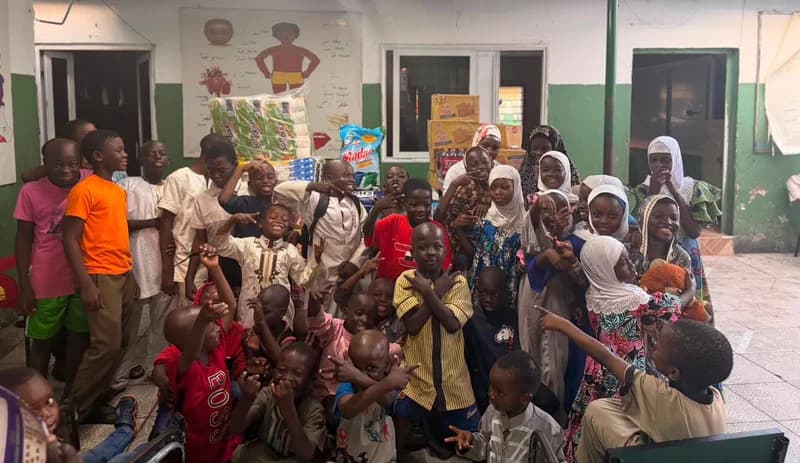
In Ghana, the impact of the June 29 floods triggered a significant mobilization of local resources. Ecobank Ghana donated over GHS 257,000 worth of relief items, including essential medicines, water, mattresses, and clothing, through its "Ecobank Stands With Accra" initiative. Charlotte Amanquah, representing the bank’s Managing Director, emphasized the institution's commitment to community support during national emergencies. The donation was received by Marietta Brew Appiah-Oppong on behalf of the government, who noted that such private sector contributions are vital for recovery. Similarly, the Road 2 Jannah Foundation targeted the Rahma Orphanage in Alajo, which was severely affected by the floods. The foundation provided food, books, and toiletries to assist children who had been displaced or forced to sleep on wet floors due to property destruction, with representatives calling for further aid in the form of bedding and long-term support for NGOs.
On a broader scale, Nigeria is redefining its relationship with international humanitarian partners. During a joint workshop with the United Nations in Abuja, the Nigerian government announced it will now take the leading role in coordinating humanitarian responses to conflict, displacement, and food insecurity. This transition aims to bolster the country’s sovereign ability to manage its own crises while still utilizing the technical expertise of U.N. entities. The shift comes at a critical time, as the U.N. estimates that nearly 35 million Nigerians are at risk of hunger this year, a situation exacerbated by a decline in global humanitarian funding. By leading the response, Nigeria seeks to create a more sustainable and direct approach to the welfare of its citizens.
These developments in Ghana and Nigeria highlight a pivotal moment for West African humanitarian strategy. While local relief efforts in Accra provide immediate, life-saving support for flood victims and vulnerable groups like orphanages, the systemic changes in Nigeria point to a future of greater national accountability. The success of these initiatives will likely depend on the continued collaboration between governments and the private sector, as well as the ability of local organizations to fill gaps left by declining international aid. As climate-related disasters and food security issues persist, the integration of corporate social responsibility and robust national policy remains the primary path toward regional resilience.
This story touches markets covered on Anansi Intelligence ↗.
Continue exploring similar stories


