••
West Africa Faces Alarming Surge in Militant Violence as Jihadist Activity Spreads Across Border Zones
•2 min read•2 sources
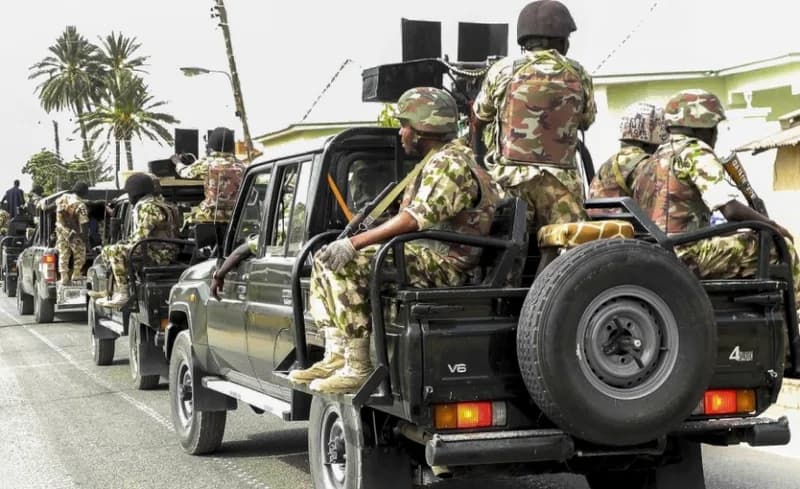
The West African sub-region is grappling with a severe escalation in Islamist militancy, as a recent report from the Armed Conflict Location & Event Data (ACLED) project reveals a staggering 90% increase in violent incidents between 2024 and 2025. This surge, centered primarily in the tri-border area of Niger, Benin, and Nigeria, has resulted in the tragic loss of over 1,000 lives. The escalating crisis highlights the growing reach of factions linked to Al Qaeda and the Islamic State (ISIS), which are exploiting local vulnerabilities to expand their influence across northern Nigeria and into the coastal hinterlands of Benin.
The militant expansion is particularly evident in Niger’s Dosso region and Benin’s Alibori and Borgou departments, areas previously considered relatively stable. Researchers attribute this deterioration to a combination of weak local governance and a significant breakdown in regional military cooperation, often exacerbated by political upheavals and coups that have sidelined traditional security alliances. These factors have created a vacuum that jihadist groups are quick to fill, leading to a direct increase in risks for civilian populations and a destabilization of rural economies.
Nigeria remains a focal point of this instability, exemplified by devastating twin attacks in Adamawa State. In a brazen display of insurgent tactics, gunmen disguised in military uniforms launched raids on the villages of Kirchinga and Garaha, located near the Sambisa Forest. These attacks resulted in at least 25 deaths and the destruction of numerous homes, with attackers even targeting a local military base in Garaha. Governor Ahmadu Umaru Fintiri condemned these "cowardly acts of terrorism," highlighting the persistent threat posed by groups such as Boko Haram and the Islamic State West Africa Province (ISWAP) amidst the broader regional crisis.
The convergence of rising data-driven trends and specific local tragedies paints a grim picture for West African security. As regional leaders struggle to coordinate their responses, the ongoing insurgency in Nigeria’s northeast and the expanding tri-border crisis demand a renewed focus on both military and governance-based solutions. Without a concerted effort to restore regional cooperation and address the root causes of instability, the cycle of violence threatens to spill further south, putting the peace and security of the entire West African corridor at unprecedented risk.
This story touches markets covered on Anansi Intelligence ↗.
More from africa
Continue exploring similar stories


