••
West African Leaders and Global Partners Strengthen Educational Resilience and Youth Diplomacy
•2 min read•3 sources
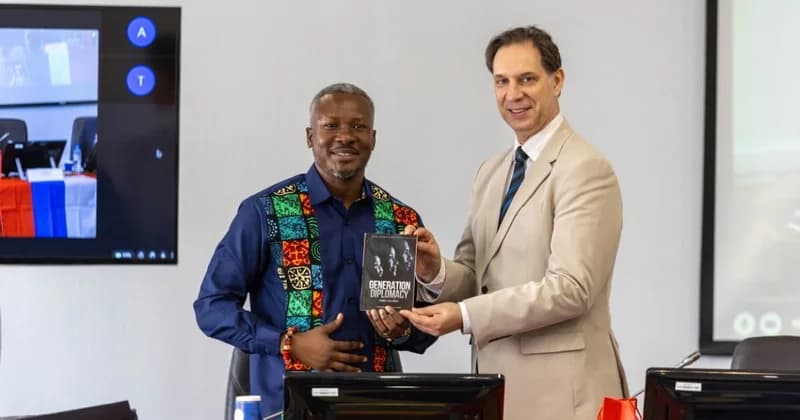
West African nations are intensifying efforts to secure the future of education through the ACCELERATE+ initiative, the 2nd High-Level Conference on Scaling Education Initiatives in Emergencies (EiE). This regional push aims to provide safe, quality education for children and youth facing disruptions from conflict, climate disasters, and socio-economic shocks. By gathering policymakers, researchers, and practitioners, the conference seeks to institutionalize successful interventions, ensuring that crises do not obstruct the fundamental right to development and learning. Key discussions focus on strengthening resilient education systems and mobilizing sustainable financing to protect the academic progress of marginalized populations. In tandem with regional policy efforts, capacity-building programs are addressing the role of information and gender in social progress. DW Akademie, supported by the European Union, recently conducted a five-day workshop in Ghana focused on gender-sensitive reporting. Cecil Ato Kwamena Dadzie, project manager for DW’s AMIR Programme, emphasized that media practitioners play a crucial role in shaping public perception. By training journalists to avoid stereotypes and amplify marginalized voices, the initiative contributes to a more inclusive media landscape that supports gender equality and social justice, reinforcing the educational foundations of a modern democracy. The empowerment of the next generation also extends to the international diplomatic stage. John Aggrey, CEO of the Ghana Russia Center for Commerce and Relations, recently launched the book series Generation Diplomacy: Youth Shaping International Relations at HSE University in Moscow. Released to coincide with the anniversary of Ghana’s first President, Dr. Kwame Nkrumah, the work underscores the active role of youth in constructing their own future through innovation and cooperation. Aggrey highlighted that future diplomacy will be driven by technology and social media, allowing young advocates to foster cultural understanding and drive global change. Together, these developments represent a multifaceted approach to education and empowerment across the sub-region. Whether through reinforcing school systems against regional crises, refining the ethical standards of journalism, or equipping youth with diplomatic tools, the focus remains on building resilient and inclusive structures. These initiatives aim to ensure that both institutional frameworks and individual capabilities are robust enough to navigate the complexities of a changing global environment, safeguarding the progress of West African youth for years to come.


