••
UK Policy Change Impacts Ghanaian Educators While Local Initiatives Strengthen Media and Family Counseling Standards
•2 min read•3 sources
The international professional landscape for Ghanaian educators is set to undergo a significant shift following a decision by the United Kingdom to revise its Qualified Teacher Status (QTS) eligibility. Teachers trained in Ghana, along with those from Nigeria and India, have been removed from the list of countries eligible to use the direct application service for QTS in England. This new regulation, scheduled to take effect on September 9, 2026, marks a major change in the pathway for Ghanaian teachers seeking to practice their profession in the British education system, necessitating a closer look at international certification standards and labor mobility.
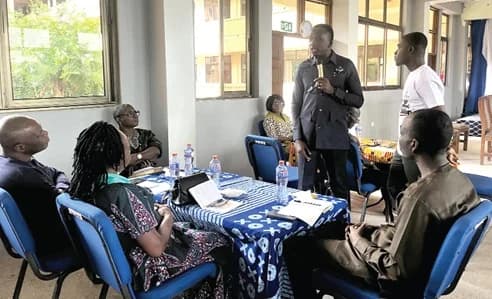
While international pathways face new restrictions, local capacity-building efforts within Ghana are intensifying, particularly in the media sector. DW Akademie recently organized a five-day workshop aimed at enhancing the skills of journalists and media practitioners in gender-sensitive reporting. Supported by the European Union, the initiative focused on promoting gender equality through responsible journalism and the elimination of harmful stereotypes. Cecil Ato Kwamena Dadzie, project manager for DW’s AMIR Programme, emphasized that the media plays a pivotal role in shaping public perceptions and driving social justice by amplifying marginalized voices and ensuring inclusive narratives.
Parallel to these media-focused efforts, the Ablekuma North Municipal Assembly has taken steps to improve social welfare through a specialized training workshop for marriage counselors. In collaboration with the AAK Marriage Foundation, the workshop—themed "Get married right – For all people…Everywhere"—provided counselors with modern techniques in pre-marital guidance, communication, and conflict management. Facilitator Albert Ampofo Krampah highlighted the critical importance of legal marriage registration as a means to protect the rights of women and children, while local officials pledged continued support for initiatives that stabilize family units.
Together, these developments highlight a broader trend of professionalization and specialized training across different sectors in Ghana. From the impact of international policy changes on teachers to the domestic focus on social welfare and media ethics, there is an increasing emphasis on formalizing qualifications and enhancing the quality of service delivery. As the 2026 deadline for the UK’s teacher certification change approaches, the focus remains on ensuring Ghanaian professionals are equipped with the skills and credentials necessary to navigate both local and global standards.
