••
WASCAL Advocates for Youth-Centered Climate Policies and Enhanced Plastic Waste Management in Ghana
•2 min read•2 sources
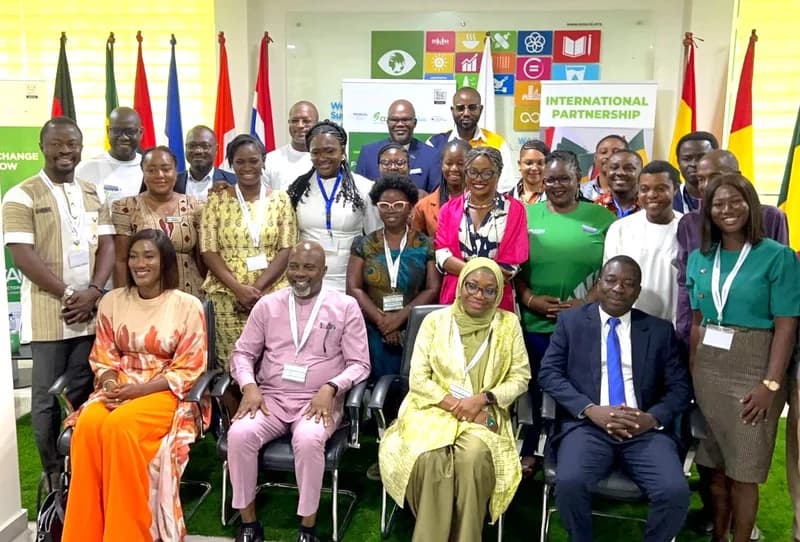
During the recent observance of World Environment Day, the West African Science Service Centre on Climate Change and Adapted Land Use (WASCAL) issued a call for immediate government intervention to place young people at the forefront of national climate change policies. The event, hosted by WASCAL, served as a critical platform to address Ghana's increasing vulnerability to environmental shifts. Stakeholders emphasized that because the youth represent the future of the nation, they must be central to decision-making processes to build long-term resilience against escalating ecological threats.
Prof. Emmanuel Ramdé, the Executive Director of WASCAL, underscored the severity of the current crisis by pointing to erratic rainfall patterns, frequent flooding, and coastal erosion as clear evidence of climate change's local impact. While acknowledging the government's efforts, Prof. Ramdé specifically praised the upcoming ban on Styrofoam and polystyrene as a necessary step toward environmental protection. However, he cautioned that this measure alone is insufficient, urging authorities to implement more comprehensive strategies to tackle the broader plastic waste crisis and mitigate the socio-economic effects of environmental degradation.
The dialogue brought together a diverse group of stakeholders, including policymakers and youth leaders, to advocate for grassroots innovation as a catalyst for change. A major highlight of the discussions was the promotion of the WASCAL Innovative Ideas Competition for Sustainable Energy, an initiative designed to harness the creativity of young innovators. The event concluded with a consensus that meaningful climate action requires a collaborative framework that empowers the next generation to lead Ghana’s transition toward a greener and more sustainable future.

