••
African Resilience and Unity: Warwick Summit Headlines Future Leadership as Ghana Celebrates Cultural Heritage and Media Pioneers
•3 min read•27 sources
The theme of African unity and the enduring strength of cultural identity have taken center stage across recent continental developments, ranging from high-profile international summits to grassroots celebrations of heritage. In a major announcement, the Warwick Africa Summit at the University of Warwick has revealed its plans for its landmark 10th-anniversary edition, scheduled for February 28 and March 1, 2026. The summit will feature Grammy Award-winning artist Eve and the renowned photography duo Twinsdntbeg as headline speakers. Operating under the evocative Swahili theme ‐Mti ukiwa umeungana hauvunjiki‐ (‐A bundle of sticks is unbreakable‐), the event aims to foster a collaborative environment where students, academics, and creatives can discuss the future of African leadership, innovation, and development.
This call for unity echoes recent cultural moments in Ghana, notably the viral ‐fugu fight‐ which sparked a nationwide celebration of the traditional smock. Following a visit to Zambia by former President John Dramani Mahama, where his traditional attire was misidentified by some social media users, Ghanaians rallied to defend and promote the fugu. This collective defense evolved from a social media debate into a significant marketing opportunity, boosting the visibility of Ghanaian crafts and creating economic avenues for local artisans. The incident served as a powerful reminder of how cultural identity can be harnessed to drive both national pride and economic growth, reflecting the Warwick Summit's focus on the intersection of culture and development.
In the realm of personal resilience and faith, Nigerian gospel minister Nathaniel Bassey recently shared a harrowing spiritual encounter that has sparked widespread discussion on faith in the modern era. Bassey recounted an incident on an express road where a traditional spiritualist, described as a ‐juju man,‐ attempted to cast a spell on him. The minister responded by invoking scripture for protection, asserting that no enchantment can succeed against those with divine backing. While Bassey expressed regret for not involving law enforcement at the time, his testimony has been viewed by many as a modern-day narrative of the strength found in personal convictions and spiritual fortitude amidst the complexities of contemporary African life.
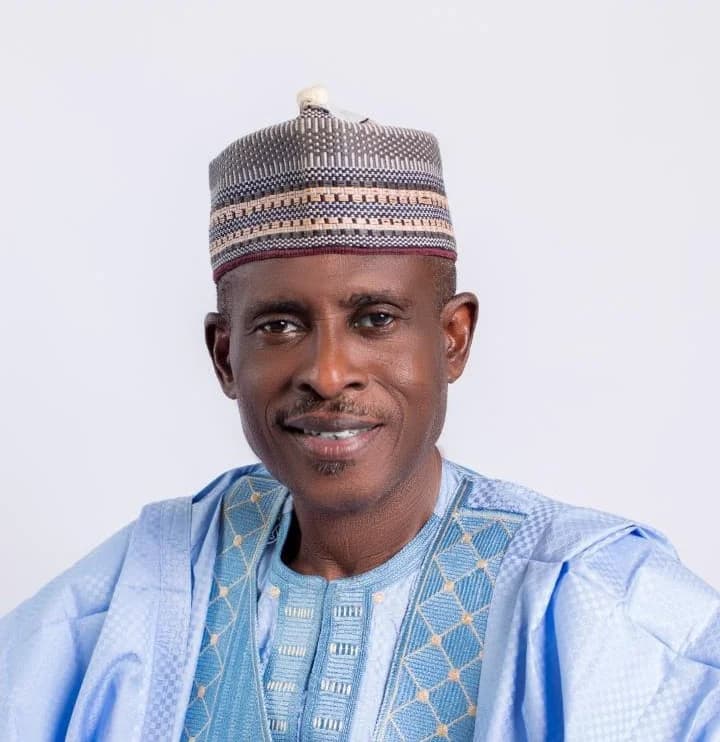
While looking toward the future, the African media community also pauses to honor the profound legacy of Dr. Alhaji Abubakari Sidick Ahmed, a foundational figure in Ghana's journalism education. As the pioneer of Radio Univers at the University of Ghana, Dr. Ahmed is remembered for creating a nurturing environment for student journalists and fostering a culture of mentorship that has shaped generations of media professionals. His contributions to media scholarship and his reputation for kindness and openness have left an indelible mark on the landscape of independent media in Ghana. Tributes from former students and colleagues emphasize that while his passing leaves a void, his commitment to professional excellence continues to influence the continent’s media scholars.
Together, these stories weave a narrative of an Africa that is both reflective of its past and ambitious about its future. From the academic halls of the University of Warwick to the media studios of Radio Univers, the focus remains on the ‐unbreakable bundle‐ of collaborative strength. Whether defending traditional garments like the fugu or preparing for global leadership dialogues, the current landscape highlights a continent increasingly unified by its heritage and its shared vision for sustainable growth. These developments underscore that the path forward for Africa lies in the synergy of cultural pride, academic mentorship, and the steadfast resilience of its people.
This story touches markets covered on Anansi Intelligence ↗.
More from africa
Continue exploring similar stories


