••
Lands Commission Digitizes Services in Volta Region as Upper West Receives New Metro Mass Transit Fleet
•3 min read•2 sources
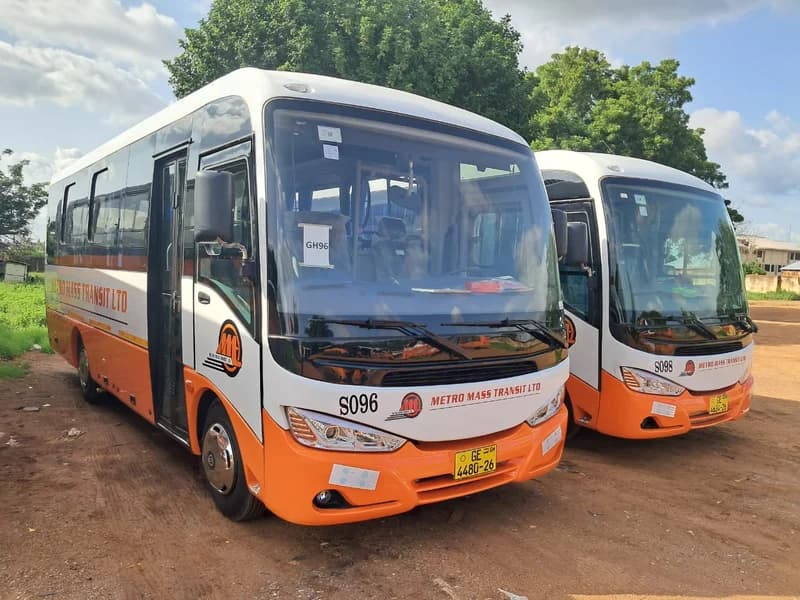
Ghana’s regional development landscape is seeing significant advancements through the modernization of land administration and the expansion of public transportation. In the Volta Region, the Lands Commission has officially inaugurated a digital Client Service Access Unit to streamline property registration, while the Upper West Region has bolstered its transport sector with the arrival of five new Metro Mass Transit (MMT) buses. These initiatives, though serving different public needs, collectively aim to enhance service delivery and reduce the logistical challenges faced by residents in these regions. The inauguration of the digital unit in Ho on June 3, 2026, marks a pivotal shift toward the full implementation of the Enterprise Land Information System (ELIS). Deputy Minister Alhaji Yusif Sulemana emphasized that the new unit is designed to address historical bottlenecks in land documentation, allowing users to query and track their applications with greater transparency. Regional Minister James Gunu underscored the critical role of efficient land management in driving local development, calling on Lands Commission staff to actively educate the public on the transition from manual to digital processes. However, the Regional Lands Commission Chairman noted that while technology is a leap forward, further infrastructure improvements—such as a new office complex and the resolution of outstanding landowner compensations—remain essential for optimal operations. Simultaneously, efforts to improve mobility in the northern belt have seen the Upper West Region receive a fleet of five new MMT buses, handed over by Regional Minister Charles Lwanga Puozuing. This deployment is part of a broader nationwide strategy to alleviate overcrowding and restore reliability to public transport routes that had been suspended due to vehicle shortages. The Minister urged staff and the public to treat these buses as valuable state assets, stressing the need for rigorous maintenance to ensure longevity. This development is expected to provide immediate relief to commuters in key towns such as Wa, Tumu, and Nandom, with additional buses slated for arrival as part of a phased distribution plan. Together, these developments reflect a dual-track approach to regional progress: leveraging technology to secure land rights and investing in physical infrastructure to facilitate movement. By digitalizing land records in the Volta Region and increasing transport capacity in the Upper West, authorities are working to create a more efficient and accessible public service framework. The success of these initiatives will depend heavily on sustained maintenance of the physical fleet and the continued training of staff to manage the new digital systems, ensuring that these investments yield long-term benefits for the Ghanaian people.