••
Government Enhances Regional Infrastructure Through Digital Land Services in Volta and Expanded Metro Mass Fleet in Upper West
•3 min read•2 sources
Ghana's regional development agenda has reached significant milestones with the launch of new projects aimed at improving public service delivery and transportation across the country. In the Volta Region, the Lands Commission has officially transitioned to a digital service model to streamline land administration, while the Upper West Region has received a critical boost to its public transport fleet. These initiatives, spearheaded by government officials and regional ministers, signal a concerted effort to leverage technology and physical assets to resolve long-standing logistical challenges facing citizens in regional capitals and rural communities alike.
In Ho, the inauguration of the Digital Client Service Access Unit at the Volta Regional office of the Lands Commission marks a pivotal shift toward modernization. The facility implements the Enterprise Land Information System (ELIS), a digital framework designed to eliminate the historical difficulties associated with land documentation. Deputy Minister Alhaji Yusif Sulemana emphasized that the system will empower users to query and track their applications in real-time, providing transparency that was previously lacking. Regional Minister James Gunu underscored the link between efficient land management and regional development, calling on commission staff to prioritize public education on the new system to ensure its success. Despite the technological advancement, the Regional Lands Commission Chairman noted that operational challenges remain, including the need for a new office complex and the resolution of unpaid compensations to local landowners.
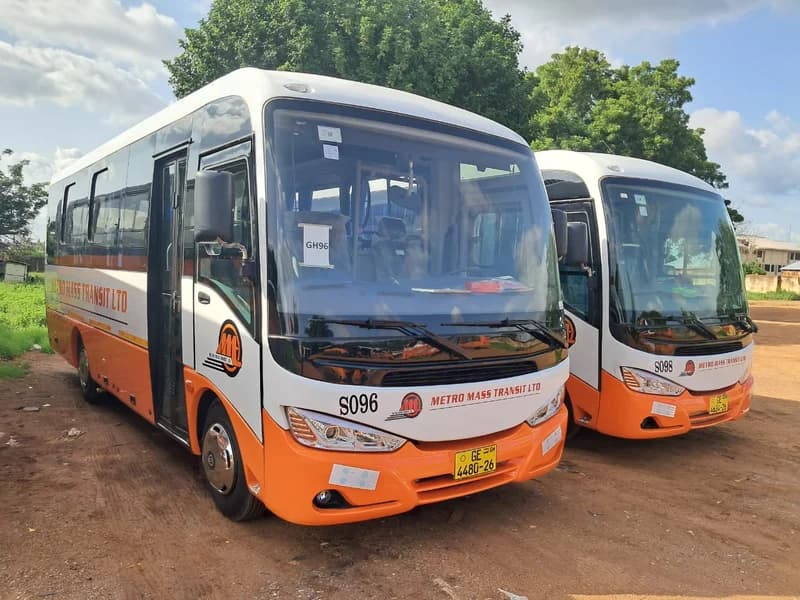
Simultaneously, the Upper West Region is addressing its transportation deficit with the arrival of five new Metro Mass Transit (MMT) buses. Handed over by Regional Minister Charles Lwanga Puozuing, these vehicles are intended to alleviate the severe overcrowding and unreliability that have plagued commuters in the region. The additional fleet will allow for the restoration of regular services to key towns such as Wa, Tumu, and Nandom—services that had been previously suspended due to a lack of operational vehicles. Minister Puozuing urged staff to treat the new buses as vital public assets, stressing the importance of professional maintenance and care to ensure the longevity of the transport service.
These developments are part of a broader nationwide strategy to decentralize and improve public infrastructure. While the Volta Region’s digital unit focuses on administrative efficiency, the expansion of the MMT fleet in the Upper West is part of a larger distribution plan, with more buses expected to arrive later in the year. Together, these steps reflect a dual-track approach to development: investing in the digital future of governance while maintaining the physical networks that connect the population. As these projects move forward, the success of both initiatives will depend on sustained maintenance and the continued cooperation between government agencies and the public.
