••
Madam Veronica Kafiedu Calls for Multi-Sectoral Action to Protect Rights of Women and Girls with Disabilities in Ghana
•2 min read•4 sources
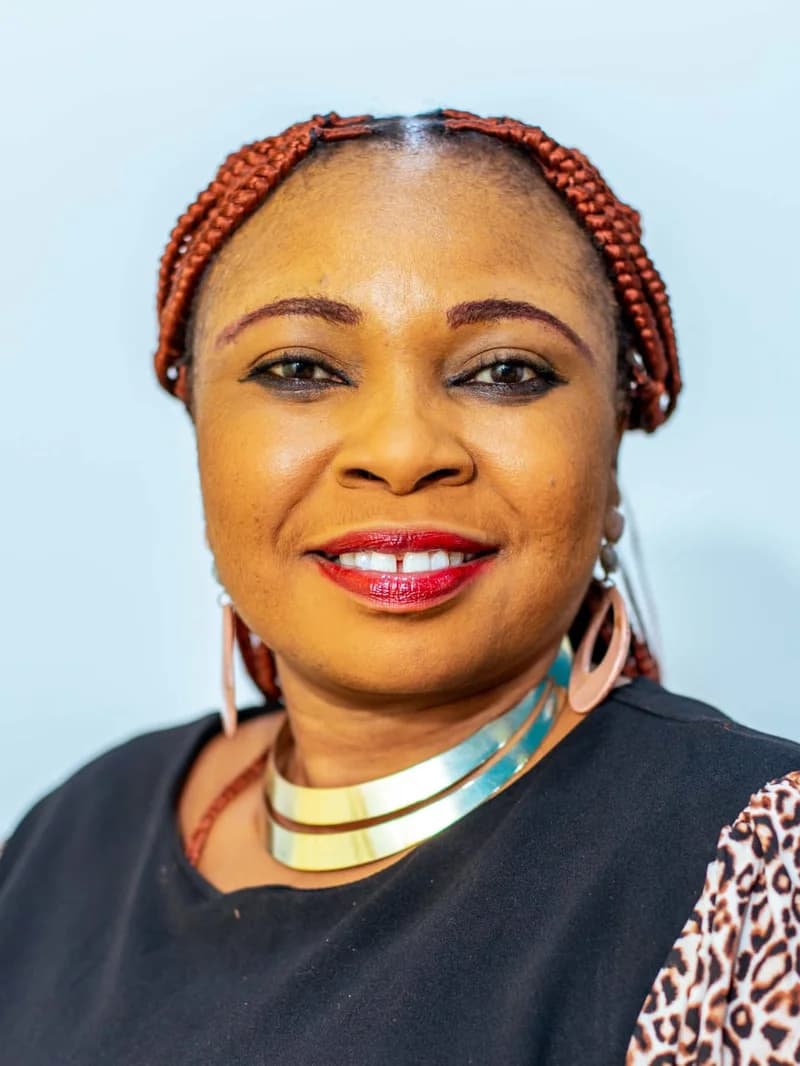
Madam Veronica Denyo Kafiedu, the Executive Director of the Women with Disability Development and Advocacy Organisation (WODAO), has issued a strong call to action for duty bearers, the private sector, and civil society organizations to urgently address the systemic barriers hindering the rights of women and girls with disabilities. Speaking at a specialized workshop in Winneba, Madam Kafiedu emphasized that the unique challenges faced by this demographic are fundamentally human rights issues that require a concerted, multi-sectoral approach. The gathering sought to advocate for an inclusive society where women and girls with disabilities can live with the dignity, independence, and full societal participation they deserve.
The workshop was organized under the auspices of the Strengthening Gender and Disability Rights across Africa (SPADRA) project. This initiative is designed to enhance gender and disability rights not only in Ghana but also across several African nations, including Benin, Malawi, and Zambia. A primary focus of the session was the dissemination of guidelines and toolkits specifically crafted to aid social service providers in overcoming the intersecting barriers that prevent disabled women from accessing essential services. By focusing on inclusive education and improved awareness, the SPADRA project aims to empower service providers with the necessary resources to foster a more equitable environment.
Established in 2017, WODAO has been at the forefront of empowering women with disabilities to advocate for their own rights and live autonomously. During the Winneba workshop, Madam Kafiedu highlighted that the documents and strategies produced are expected to serve as vital resources at the grassroots level, particularly within the Volta and Oti regions. By engaging directly with communities and stakeholders, WODAO seeks to create a conducive environment where the voices of disabled women are not only heard but integrated into the developmental fabric of the nation.
As Ghana continues to work toward international standards of inclusion, the efforts of organizations like WODAO and projects like SPADRA highlight the critical need for sustained advocacy. Madam Kafiedu concluded by reiterating that addressing these disparities is a prerequisite for national progress. The next steps for the initiative involve the widespread implementation of the inclusive education guidelines and continued monitoring of service delivery to ensure that no woman or girl is left behind due to physical or cognitive challenges.
This story touches markets covered on Anansi Intelligence ↗.
More from africa
Continue exploring similar stories


