••
Global Political Shifting: US Sanctions Former DRC Leader Amid Landmark Legal Rulings and International Tensions
•3 min read•31 sources
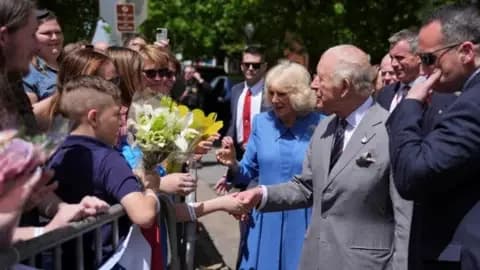
In a significant move to stabilize Central Africa, the United States has imposed comprehensive sanctions on former Democratic Republic of Congo (DRC) President Joseph Kabila, accusing him of providing financial and military support to the M23 rebel group. The U.S. Treasury Department alleges that Kabila has been actively encouraging army defections and seeking to destabilize the Congolese government to regain political power. These sanctions, which freeze Kabila's U.S. assets and prohibit American entities from conducting business with him, align with a U.S.-brokered peace deal between the DRC and Rwanda. Kabila, who was previously sentenced to death in absentia for war crimes, has largely resided in South Africa since late 2023, and his current actions are viewed by Washington as a direct threat to regional stability.\n\nDomestically, the U.S. political landscape is facing both administrative shifts and judicial challenges. President Donald Trump has withdrawn the nomination of Casey Means for U.S. Surgeon General after her candidacy failed to gain sufficient Senate support due to concerns over her medical credentials and views on vaccines. In her place, the President has nominated Dr. Nicole Saphier, a prominent radiologist and public health communicator. Simultaneously, Federal Judge Julia Kobick has delivered a significant blow to the administration's immigration policies, ruling that holds on green card and work permit applications for individuals from travel-ban countries are discriminatory and unlawful. This ruling follows the resolution of a record 76-day partial government shutdown, which ended after President Trump signed a funding bill for the Department of Homeland Security that excluded specific funding for border enforcement agencies.\n\nOn the diplomatic and security front, King Charles III has arrived in Bermuda following a successful four-day state visit to the United States alongside Queen Camilla. The royal tour culminated in the removal of long-standing whisky tariffs, a move heralded by the UK government as a major boost for the Scotch whisky sector. However, the atmosphere in the United Kingdom remains tense as the government elevated the national terrorism threat level to 'severe' following a stabbing attack on two Jewish men in North London. Home Secretary Shabana Mahmood noted that the increase reflects a high likelihood of future attacks from both Islamist and extreme right-wing groups, prompting increased security funding for Jewish community sites across the country.\n\nAcross the globe, other political leaders face varying degrees of legal and social pressure. In Myanmar, the military junta has reportedly moved former leader and Nobel laureate Aung San Suu Kyi from prison to house arrest, though her family remains skeptical of the military's claims regarding her well-being. In Brazil, Congress has overridden a presidential veto to drastically reduce the prison sentence of former President Jair Bolsonaro for his role in undermining democracy. Meanwhile, international sports and diplomacy clashed at the 76th FIFA Congress, where Palestinian Football Association President Jibril Rajoub refused a public handshake with Israeli representatives, citing human rights violations. These events, ranging from the burial of Mali’s slain Defence Minister to the health-related release appeals of war criminal Ratko Mladic, underscore a period of intense global political volatility.
This story touches markets covered on Anansi Intelligence ↗.
More from politics
Continue exploring similar stories


