••
Escalating Middle East Conflict: US-Iran Hostilities Intensify Amid Troop Mobilizations and Diplomatic Shifts
•2 min read•22 sources
The military confrontation between the United States, Israel, and Iran has escalated sharply following Iranian missile strikes that injured at least ten U.S. service members at the Prince Sultan Air Base in Saudi Arabia. In a significant retaliatory move, Israel confirmed the assassination of Alireza Tangsiri, the chief of the Iranian Navy responsible for the blockade of the critical Strait of Hormuz. These developments come as Iran reportedly mobilizes over one million fighters in anticipation of a potential ground invasion, while the U.S. has deployed approximately 2,000 soldiers from the 82nd Airborne Division and Marine Expeditionary Units to the region to bolster its presence.
On the diplomatic front, U.S. Secretary of State Marco Rubio indicated following a G7 foreign ministers' meeting that military operations in Iran are expected to conclude within "weeks, not months," emphasizing a strategy that avoids large-scale ground troop involvement. However, internal political pressure is mounting within the Republican party. At the Conservative Political Action Conference (CPAC) in Texas, a notable generational divide has emerged; while older conservatives largely support President Trump’s military stance, younger attendees have expressed skepticism regarding foreign entanglements and the rising domestic costs, such as surging gas prices, associated with the conflict.
The conflict has also expanded into the digital and international regulatory spheres. FBI Director Kash Patel’s personal emails were recently breached by the Iran-linked "Handala Hack Team," which leaked personal documents in what is described as a retaliatory strike against U.S. operations. Simultaneously, diplomatic tensions surfaced surrounding the G7 summit in France over the exclusion of South African President Cyril Ramaphosa. While reports suggested U.S. pressure led to the rescinding of his invitation, France denied these claims, stating it chose to invite Kenya instead to help address global economic disparities.
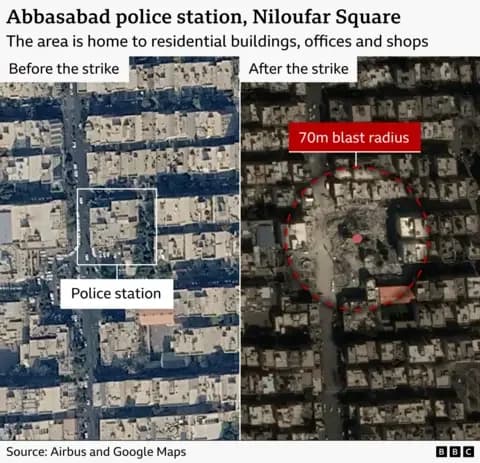
The broader implications of the crisis are being felt globally, with the World Trade Organization (WTO) convening in Cameroon to discuss a "permanently changed" world order. WTO Director-General Ngozi Okonjo-Iweala highlighted that the Middle Eastern conflict and the resulting energy crisis are forcing an irrevocable reform of the global trade system. As the humanitarian toll rises—with reports of over 1,400 civilian deaths in Tehran alone and the destruction of residential areas like Resalat—international calls for de-escalation from nations like Russia and Turkey continue to grow, even as both sides brace for further military engagement.
This story touches markets covered on Anansi Intelligence ↗.
More from politics
Continue exploring similar stories


