••
Upper East Region Records Meningitis Case as Health Professionals Stress Importance of Preventive Screening
•2 min read•2 sources
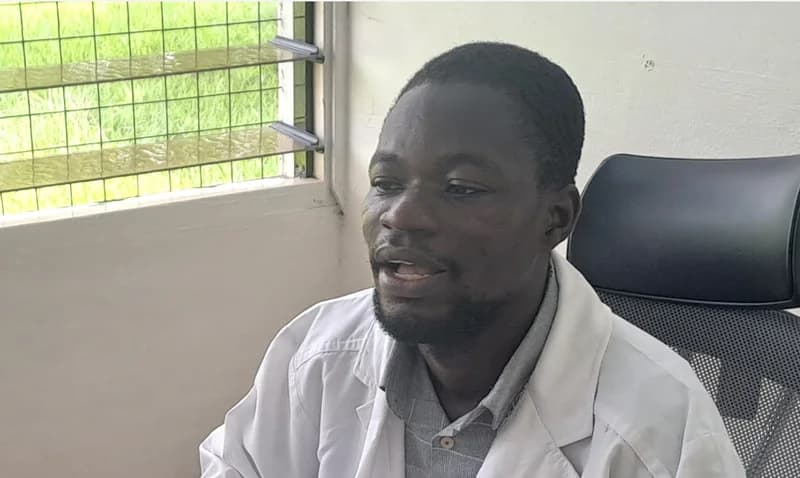
The Upper East Regional Health Directorate (UERHD) has confirmed one case of Cerebrospinal Meningitis (CSM) amid 24 suspected cases during the ongoing meningitis season, which typically spans from October to April. Dr. Adam Zakariah, representing the directorate, reported that while one case has been validated, 20 of the suspected cases returned negative results, with three still under investigation. This seasonal spike highlights the persistent threat of infectious diseases in the region, prompting health officials to heighten surveillance and public awareness during these critical months.
To mitigate the spread and impact of the disease, Dr. Zakariah emphasized the importance of seeking immediate medical attention rather than resorting to self-medication. Residents are urged to maintain proper hydration and avoid overcrowded spaces, which are known factors in the transmission of meningitis. Significantly, the health directorate has assured the public that treatment for CSM is provided free of charge at all public health facilities, ensuring that financial barriers do not prevent life-saving care. No deaths have been recorded so far this season, which officials attribute to early reporting and clinical vigilance.
In a broader effort to improve national health outcomes, medical experts are also advocating for a shift from reactive to proactive healthcare across the country. Mershack Bankam, a Physician Assistant at HealthWise Hospital in Tema, noted that regular health check-ups are essential for the early detection of serious conditions such as high blood pressure and diabetes. By undergoing routine screenings, individuals can identify subtle health changes before they escalate into complications that are harder and more expensive to treat. Bankam argues that health assessments should be viewed as "preventive maintenance," particularly for those with a family history of chronic illnesses.
The intersection of seasonal infectious threats like meningitis and the rise of non-communicable diseases underscores a vital message for the Ghanaian public: early professional intervention is the most effective safeguard for health. Whether responding to the sudden symptoms of an infection or managing long-term wellness through annual reviews, establishing a documented medical history helps clinicians provide more personalized treatment. Health officials continue to encourage citizens to prioritize clinical consultations over self-diagnosis to ensure a healthier and more resilient population.