••
University of Ghana Becomes Hub for Transformative Africa-Led Food and Fisheries Initiatives
•2 min read•9 sources
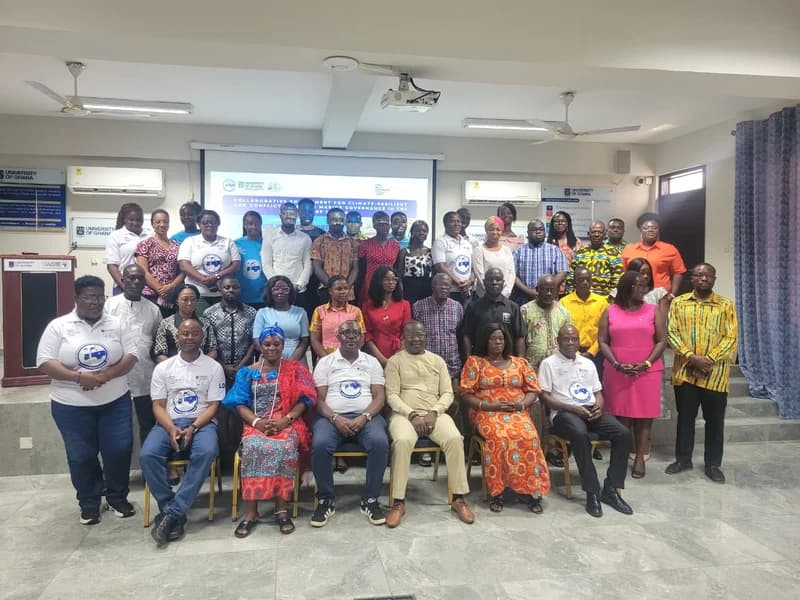
The University of Ghana has solidified its position as a central pillar for continental development with the launch of the Africa Regional Collaborative for Agriculture, Nutrition and Health (ANH-ARC) on April 30, 2026. This landmark initiative represents a significant step toward transforming African food systems by bridging the critical gap between scientific research and policy implementation. As a new science-policy platform, ANH-ARC is designed to advance healthier, more equitable, and climate-resilient food systems across the continent by integrating the often-siloed sectors of agriculture, nutrition, and health.
Co-led by the University of Ghana, the Policy Studies Institute of Ethiopia, and Stellenbosch University of South Africa, the collaborative aims to provide evidence-based solutions to pressing challenges such as malnutrition, rising food prices, and the adverse effects of climate change. Backed by the UK Government and the Bill & Melinda Gates Foundation, the platform connects African researchers to the global ANH Academy, a network of over 13,000 professionals. During the launch in Accra, Pro Vice-Chancellor Professor Felix Asante and Professor Amos Laar emphasized that the initiative will prioritize actionable research that ensures gender equity and climate resilience are embedded into national and regional policy frameworks.
Complementing these food system efforts is the 'Fisheries Without Borders' (FWB) project, another regional initiative hosted at the University of Ghana to address the sharp decline in marine fish stocks. Funded by Rockefeller Philanthropy Advisors and led by the Federal University of Technology Akure, Nigeria, the FWB project (2026–2027) focuses on Ghana, Nigeria, and Benin. The project seeks to document traditional ecological knowledge and advocate for stronger fisheries governance, specifically highlighting the need for increased involvement of women in managing marine resources to ensure long-term sustainability in West Africa.
These combined initiatives align with the University of Ghana’s Strategic Plan (2024–2029) and broader continental frameworks, including the African Union’s Comprehensive Africa Agriculture Development Programme (CAADP). By fostering high-level collaboration between scientists, regulators, and community leaders, these platforms are positioned to shape Africa's food systems transformation agenda. The ultimate goal remains the creation of a more food-secure and healthy future where scientific evidence directly informs investments and sustainable impacts for millions of people across the region.
This story touches markets covered on Anansi Intelligence ↗.
More from africa
Continue exploring similar stories


