••
UN Secretary-General Warns of Record-Breaking "Super" El Niño Threatening Global Stability
•2 min read•6 sources
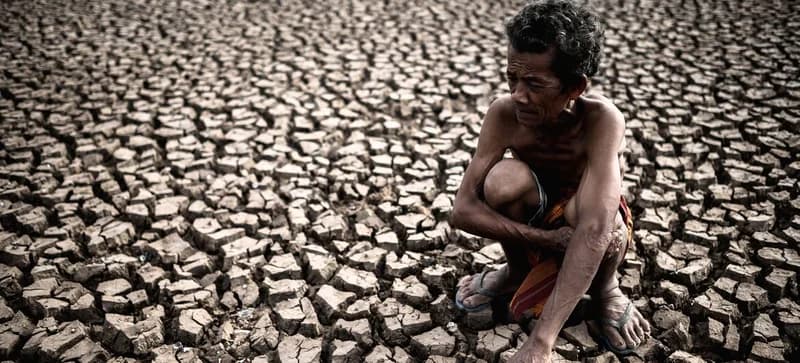
The United Nations has issued a grave warning as a record-breaking "super" El Niño event intensifies across the Pacific Ocean, pushing the planet into what Secretary-General António Guterres describes as "uncharted waters." This unprecedented climatic phenomenon is triggering extreme weather patterns globally, with UN officials cautioning that the world has entered a "danger zone" of severe impacts. As sea surface temperatures reach historic highs, the rapidly developing event is expected to disrupt global trade, destabilize economies, and threaten the lives of millions in vulnerable populations.
The reach of this "supersized" El Niño is vast, causing abnormal ocean heat that is already triggering severe marine heatwaves, particularly affecting southern Australia. Simultaneously, critical agricultural regions and trade routes are under threat. Severe droughts are projected for Central America and Southeast Asia, which could cripple crop yields and hamper global logistics. Conversely, other regions are bracing for the opposite extreme: intense rainfall and catastrophic flooding. These dual threats of moisture and drought are placing immense pressure on national governments to accelerate disaster preparedness and mitigate the potential for widespread devastation.
UN Secretary-General António Guterres emphasized the severity of the situation, stating, "El Niño is being supersized before our eyes." This intensification is particularly dangerous for nations in the eastern Pacific, such as Peru and Ecuador, as well as parts of Eastern Africa, where existing socio-economic challenges and infrastructural gaps often exacerbate the impact of natural disasters. Experts are calling for more than just immediate emergency responses; they are advocating for deep-seated structural reforms and systemic changes to build long-term resilience against increasingly volatile climatic shifts.
As the global community confronts this unfolding emergency, the focus remains on bridging the gap between immediate alarm and actionable preparedness. The UN underscores that while the weather event is a natural phenomenon, its record-breaking intensity is compounded by broader global warming trends. The coming months will be a critical test of international cooperation and local resilience, as countries strive to protect their economies and citizens from the most severe consequences of this historic climate shift.

