••
Historic Victory: UN General Assembly Adopts Ghana-Led Resolution Declaring Slave Trade a 'Gravest Crime Against Humanity'
•3 min read•28 sources
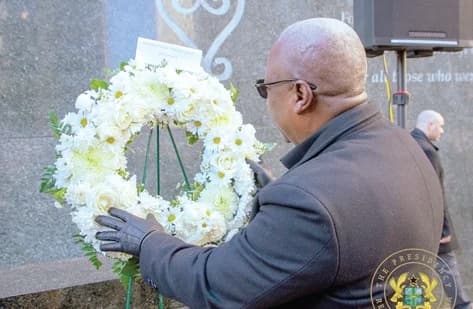
In a landmark diplomatic achievement for Ghana and the African continent, the United Nations General Assembly (UNGA) officially adopted a resolution on March 25, 2026, declaring the trafficking of enslaved Africans and racialized chattel enslavement as the gravest crime against humanity. Spearheaded by President John Dramani Mahama and supported by a coalition of the African Union and CARICOM nations, the resolution (A/80/L.48) received overwhelming support with 123 member states voting in favor. The declaration marks a pivotal shift in the global pursuit of historical justice, formally urging member states to engage in structured dialogue, offer formal apologies, and consider frameworks for reparative justice to address the enduring socio-economic impacts of the transatlantic slave trade.
While the resolution enjoyed broad international backing, it faced opposition from the United States, Israel, and Argentina, with another 52 nations abstaining. The U.S. representative argued that the resolution diverges from the UN’s primary mission of maintaining peace and security, raising concerns over the legality of reparations for historical actions that were not illegal at the time they occurred. In a sharp rebuttal, Ghana’s Minister for Foreign Affairs, Samuel Okudzeto Ablakwa, defended the thoroughness of the negotiation process, asserting that even 50 years of dialogue would not be enough to fully address the horrors of slavery. He emphasized that the focus remains on long-term development measures, the return of stolen cultural artifacts, and the restoration of dignity rather than simple financial transfers.
Domestically, the resolution has sparked a complex debate regarding political legacy and historical accountability. While Madina MP Francis-Xavier Sosu hailed the vote as a turning point for Africa’s global standing, critics from the New Patriotic Party (NPP), including Yaw Opoku Mensah, labeled President Mahama’s push as opportunistic, noting that former President Nana Addo Dankwa Akufo-Addo had laid the groundwork for this agenda in 2023. Additionally, award-winning journalist Manasseh Azure Awuni raised a poignant critique, arguing that any discussion of reparations must also acknowledge the complicity of African nations and traditional leaders who participated in the capture and sale of their own people. This sentiment was echoed by others who suggested that internal reforms and the fight against modern corruption are necessary precursors to ensure any future reparations truly benefit the citizenry.
Looking forward, the adoption of this resolution sets the stage for intensified global engagement, particularly as the world approaches the 100th anniversary of the League of Nations Slavery Convention in September 2026. High-profile figures, including American civil rights leader Al Sharpton, have already begun engaging with Ghanaian leaders to strengthen the collaboration between Africa and its diaspora. President Mahama has emphasized that this victory is only the beginning of a long journey toward accountability, calling for a united front to ensure the voices of the 13 million enslaved ancestors are finally recognized through tangible international action and systemic change.
This story touches markets covered on Anansi Intelligence ↗.
Related topic
NPP (New Patriotic Party): Latest News →More from politics
Continue exploring similar stories


