••
Thomas Tuchel Criticizes FIFA’s Mandatory World Cup Hydration Breaks as Disruptive to Game Flow
•2 min read•7 sources
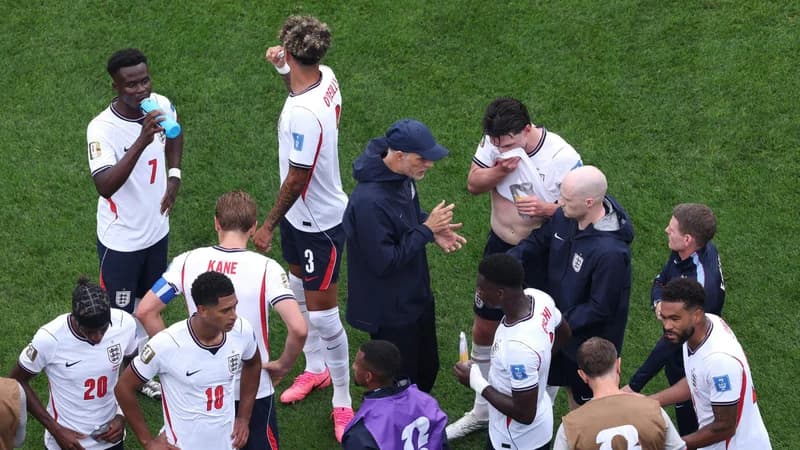
England head coach Thomas Tuchel has voiced significant concerns regarding FIFA's mandatory hydration breaks during the World Cup, arguing that they compromise the fundamental identity and flow of football matches. The critique comes in the wake of England’s goalless draw against Ghana, where the implementation of these pauses became a focal point of discussion. While FIFA maintains that the breaks are essential for player safety and consistency, Tuchel and various critics contend that the interruptions hinder the sustained intensity and natural momentum required for an elite sporting spectacle.
Under current FIFA regulations, matches are paused for three minutes at the halfway point of each half, regardless of the local temperature or weather conditions. Tuchel argues that this effectively divides the game into four quarters, making it difficult for teams to build and sustain pressure. "It changes the identity of the game," Tuchel stated, emphasizing that the traditional rhythm of football is lost when play is forced to stop. Despite his reservations, the England manager noted that he intends to utilize the breaks strategically to adjust his team's tactics, turning a perceived disadvantage into an opportunity for mid-game coaching.
FIFA President Gianni Infantino has defended the policy, asserting that the breaks are solely motivated by player welfare rather than commercial interests. Infantino highlighted the grueling nature of the 39-day tournament, where some teams may play up to eight matches, necessitating measures to ensure physical recovery and fairness across all fixtures. Although the breaks have successfully attracted significant advertising revenue in markets like the United States, Infantino insisted that revenue generation was never the goal. Instead, he framed the pauses as a necessary evolution to protect athletes competing at the highest level.
The debate highlights a growing tension between the preservation of football's traditional continuous play and the modern necessity for health-conscious regulations. As the World Cup progresses, fans and analysts remain divided on whether these tactical timeouts enhance the strategic depth of the sport or dilute the organic drama that defines the game. With teams often facing tight defensive structures, the impact of these mandated pauses on the overall excitement and integrity of the tournament continues to be a subject of intense scrutiny within the global football community.
This story touches markets covered on Anansi Intelligence ↗.
More from sports
Continue exploring similar stories


