••
President Trump Claims Breakthrough in Iran Conflict as Tehran Disputes Imminent Peace Deal
•2 min read•11 sources
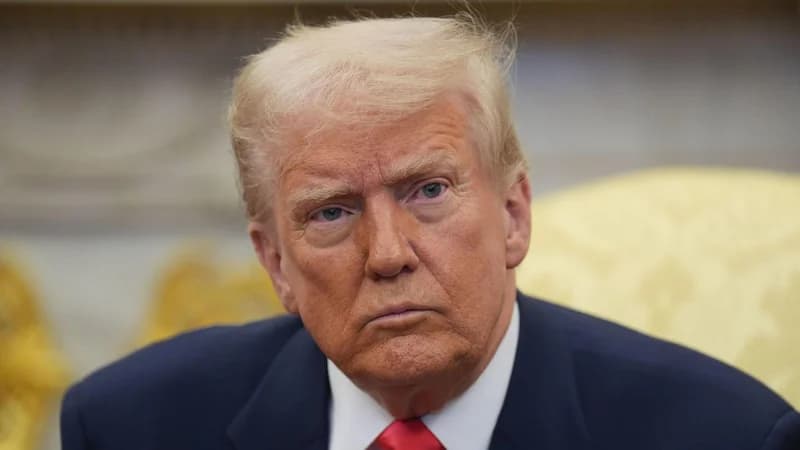
U.S. President Donald Trump has announced a significant breakthrough in negotiations to end the three-month-old conflict with Iran, suggesting a formal peace agreement could be signed as early as this weekend. Trump characterized the development as a "great settlement" that would stabilize regional hostilities and address long-standing nuclear concerns. However, the Iranian government has tempered this optimism, with Foreign Ministry spokesperson Esmail Baghaei labeling the U.S. assertions as "speculative." Tehran insists that while significant portions of a draft have been reviewed, no final decision has been reached, emphasizing that Iran will not compromise on its established "red lines" despite what it characterizes as Washington's "excessive demands."
The proposed framework for the agreement reportedly centers on a 14-point memorandum of understanding aimed at de-escalating a conflict that began in February. Key terms under discussion include the United States lifting heavy oil sanctions and withdrawing military forces from certain positions in exchange for Iran reopening the Strait of Hormuz—a vital global energy corridor—and providing guarantees against nuclear weapons development. This diplomatic push follows a period of intense military escalation, including U.S. strikes on Iranian positions and retaliatory missile attacks on American bases. The volatility of the situation was underscored just days ago when Trump reportedly called off planned strikes in favor of pursuing this diplomatic opening.
The geopolitical stakes of the negotiations are immense, impacting global energy markets and regional alliances. While some Middle Eastern allies have offered tentative support, Israel has clarified that it is not a party to the current negotiations. Economically, the prospect of a deal has already triggered positive reactions in global financial markets, as the conflict has previously driven up oil prices and disrupted international trade. Domestically, the timing is critical for the Trump administration, which is currently navigating voter concerns over rising gasoline prices ahead of the upcoming midterm elections.
Despite the flurry of announcements, international observers and the United Nations continue to call for caution and sustained de-escalation. Iranian officials remain skeptical of U.S. sincerity, citing the complexity of the diplomatic landscape and the need for reliable guarantees regarding the lifting of sanctions. As military tensions and drone incidents linger around the Strait of Hormuz, the situation remains fluid. Whether the coming days will bring a historic signing ceremony in Europe or a return to hostilities depends on whether both nations can bridge the gap between Trump's public confidence and Tehran's cautious diplomatic posture.
This story touches markets covered on Anansi Intelligence ↗.
More from politics
Continue exploring similar stories


