••
Trump Issues 48-Hour Ultimatum to Iran Amid Escalating US-Israeli Military Campaign
•3 min read•40 sources
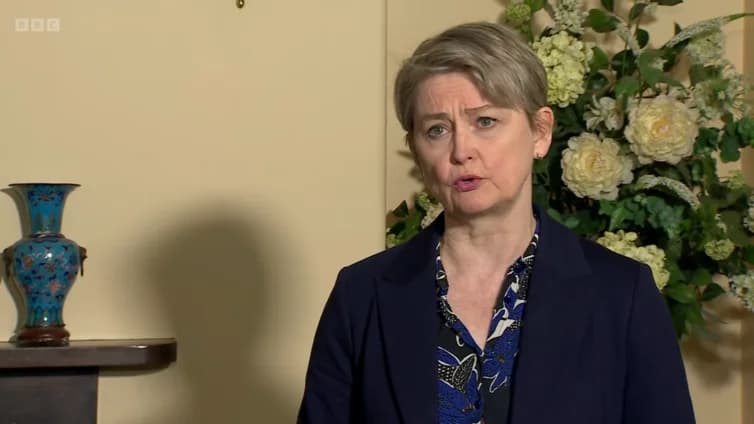
Tensions in the Middle East have reached a critical juncture as President Donald Trump issued a 48-hour ultimatum to Iran, threatening to "obliterate" the nation's power plants unless the Strait of Hormuz is reopened to international shipping. This escalation comes three weeks into a joint US-Israeli military campaign characterized by conflicting reports regarding its duration and objectives. While President Trump has publicly suggested the conflict is "winding down," the administration is simultaneously deploying additional ground forces, including a Marine expeditionary unit, and seeking $200 billion in emergency funding from Congress. The situation remains volatile following Iranian retaliatory threats against US energy infrastructure and reports of potential plans to seize Kharg Island, a vital hub for Iranian oil exports. The conflict has expanded beyond the immediate region, with Iran launching medium-range ballistic missiles at the joint UK-US military base on Diego Garcia in the Indian Ocean. Although the missiles failed to hit their targets, the incident has strained diplomatic relations between Washington and London. President Trump criticized UK Prime Minister Keir Starmer for initially restricting the base's use for strikes against Iran, while UK Foreign Secretary Yvette Cooper reaffirmed Britain's commitment to defensive support without entering a broader war. Simultaneously, Israel has conducted retaliatory strikes against targets in Iran and Hezbollah positions in Lebanon, reporting the elimination of several militants following rocket attacks on the Tel Aviv area. In the nuclear sector, Iran's Natanz facility was targeted in a fresh attack, though Iranian officials and the IAEA report no radioactive leaks. This follows previous efforts by US and Israeli forces to degrade Iran's nuclear capabilities. Amidst the military maneuvers, the US Treasury Department announced a temporary easing of sanctions on approximately 140 million barrels of Iranian oil currently stranded at sea. This measure, valid until April 19, aims to stabilize global energy prices which have surged due to the blockade of the Strait of Hormuz. Treasury Secretary Scott Bessent emphasized that while this allows for the offloading of existing transit supplies, it does not permit new production or purchases. As the 48-hour deadline approaches, the internal stability of the Iranian regime is also under scrutiny. The new Supreme Leader, Mojtaba Khamenei, has urged national vigilance during the Nowruz festival following the death of the country's intelligence minister, though his own absence from public view has fueled speculation regarding his health. Meanwhile, security concerns have reached the UK mainland, where an Iranian man and a Romanian woman were charged after an attempted breach at HM Naval Base Clyde, the site of the UK's nuclear deterrent. With massive funding requests pending and military operations intensifying, the international community remains on high alert for a potential shift from targeted strikes to a prolonged regional conflict.
This story touches markets covered on Anansi Intelligence ↗.
More from politics
Continue exploring similar stories


