••
FIFA Abandons World Cup Stake Sale Amid Governance Crisis as Hamas Agrees to Phased Gaza Peace Deal
•3 min read•14 sources
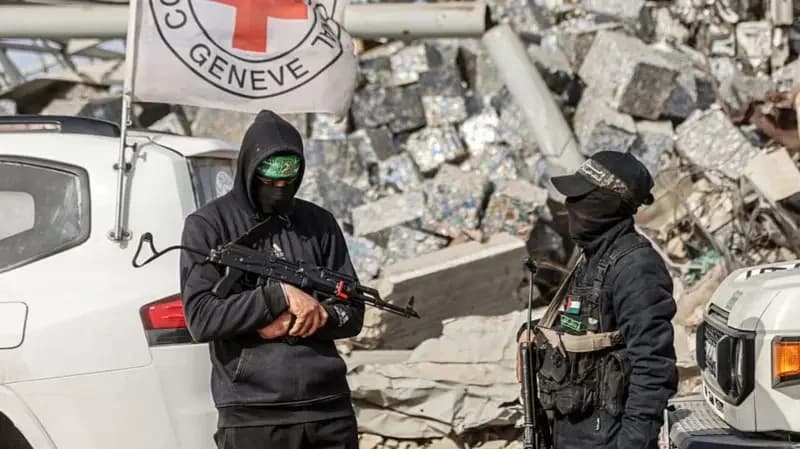
Global political and institutional governance has been marked by two significant developments involving a major diplomatic breakthrough in the Middle East and a substantial reversal at FIFA. In a move announced by U.S. President Donald Trump, Hamas has agreed to a conditional disarmament in Gaza as part of a multi-phase peace initiative aimed at concluding the long-standing conflict. Simultaneously, FIFA President Gianni Infantino has officially scrapped a controversial proposal to sell private stakes in the men’s and women’s World Cup tournaments following an unprecedented backlash from regional confederations and high-profile internal resignations. Both events highlight a shift toward prioritizing institutional stability and traditional governance structures over radical commercial or military strategies. The agreement regarding Gaza represents a potential turning point for regional stability. Under the initiative facilitated by the Board of Peace, Hamas is set to relinquish its weaponry, though negotiator Ghazi Hamad emphasized that this is strictly contingent on Israel upholding its end of the truce. Requirements for Israel include a total cessation of attacks on Palestinians and the withdrawal of military forces from the territory. The disarmament process is expected to be phased, starting with the handover of small arms by the Gaza police, while the decommissioning of heavy weaponry could take between 200 and 350 days. International observers remain cautiously optimistic, noting that the plan also envisions the establishment of a new Palestinian governing body and significantly improved humanitarian conditions. In the world of international sports governance, the collapse of FIFA’s private investment initiative has left the federation reeling. The plan to sell stakes in flagship competitions faced fierce opposition from major bodies, including UEFA and Concacaf, which threatened to boycott future World Cups. The dissent extended into FIFA’s own administration, leading to resignations from senior figures such as advisor Carlos Cordeiro and the federation's chief operating officer. Opponents argued that the move threatened the public-centric nature of the sport in favor of corporate interests. A consolidated bloc of over 136 votes against the measure made its passage impossible, forcing President Infantino to acknowledge the project’s divisive nature. As these situations unfold, the focus for both global diplomats and sports administrators has shifted toward reconciliation and rebuilding trust. Infantino is now under significant pressure to mend fractured relationships with regional confederations ahead of his re-election bid at the FIFA Congress in March 2025. In the Middle East, the success of the peace plan hinges on the rigorous implementation of the agreed-upon phases and the management of regional tensions involving actors such as Iran. Both developments highlight the complexities of modern governance, where unilateral initiatives—whether commercial or military—increasingly face resistance from established stakeholders and international coalitions.
This story touches markets covered on Anansi Intelligence ↗.
More from politics
Continue exploring similar stories


