••
Trinity Software Centre Calls for Increased Investment in Ghana’s Local Tech Ecosystem to Prevent Talent Migration
•2 min read•1 source
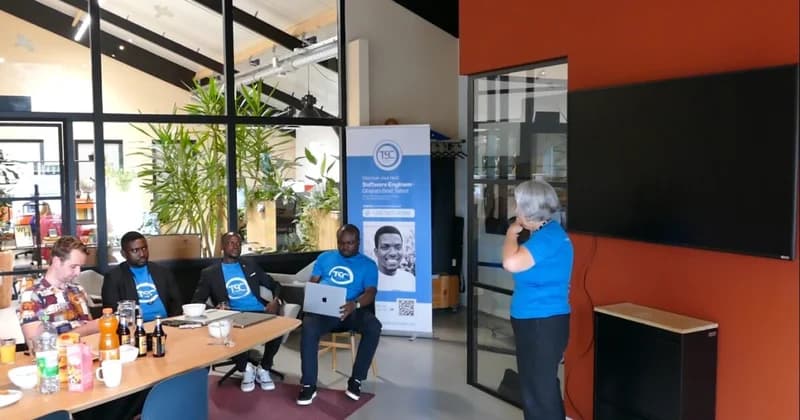
Software industry leaders in Ghana are calling for a more deliberate approach to investing in the nation's indigenous tech sector to foster economic growth and create high-value jobs for the youth. Led by Trinity Software Centre, developers are emphasizing that without sustained support, Ghana risks losing its brightest technological minds to foreign markets. Joseph Anto, Chief Technology Officer at Trinity Software Centre, highlighted that while the global rise of Artificial Intelligence (AI) presents immense opportunities, the local ecosystem currently suffers from infrastructure and funding gaps that could lead to significant talent migration. During a recent training initiative that included international participants, Anto underscored the critical need for practical, industry-aligned education. He argued that the current divide between academic theory and real-world application remains a significant hurdle for emerging developers. By fostering stronger collaborations between universities and the private sector, Ghana can ensure that its workforce is not only proficient in foundational coding but also capable of implementing complex AI solutions and meeting international software standards. This hands-on approach is vital for equipping Ghanaian talent with the skills required to compete on a global stage. Compounding these challenges is a perceived lack of confidence in domestic expertise from official quarters. Anthony Yeboah Asare, Project Manager at Trinity Software Centre, noted that the government’s frequent reliance on foreign firms for software solutions undermines the growth of local companies. This preference for international vendors often results in missed opportunities for local firms to demonstrate their capabilities and build a robust portfolio of high-impact projects. Trinity Software Centre, which has been operating since 2017, seeks to challenge this trend by delivering software that meets European quality standards while maintaining a strong commitment to social impact and local talent development. Moving forward, software industry advocates are calling for a strategic shift in how the digital economy is nurtured. They argue that if Ghana is to truly benefit from the ongoing digital revolution, there must be a concerted effort to prioritize indigenous software solutions. Bridging the investment gap and fostering an environment where local innovation can thrive will be essential for transforming the country into a regional tech hub. Ultimately, the success of Ghana’s tech industry hinges on the ability of both government and private investors to recognize and trust the untapped potential of indigenous developers.


