••
Prof. Samuel Kojo Kwofie Advocates for Indigenous Knowledge in AI Development at Ghana International Book Fair
•2 min read•3 sources
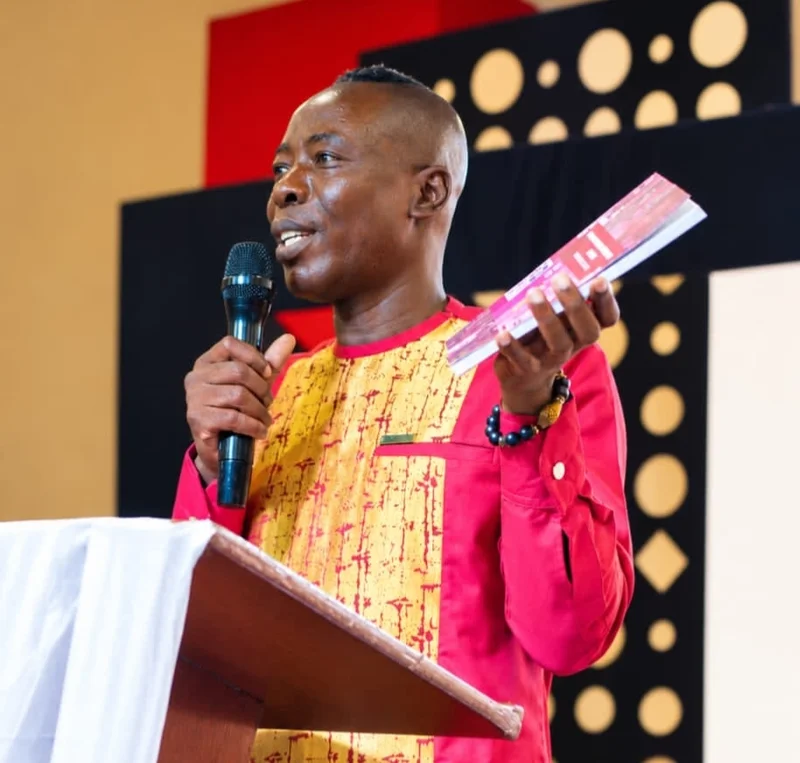
Prof. Samuel Kojo Kwofie, Director of the Institute of Applied Science and Technology at the University of Ghana, has issued a compelling call for publishers and technology developers to integrate indigenous knowledge systems into Artificial Intelligence (AI) training datasets. Speaking at the launch of the book "The Book Industry Programme in Ghana: From Dream to Reality and Beyond" during the 23rd Ghana International Book Fair in September 2026, Prof. Kwofie emphasized that such integration is vital for fostering culturally inclusive development. By embedding local context into AI models, the academic argues that Ghana and Africa can effectively "decolonize" AI, ensuring that digital advancements reflect the continent's unique heritage and values rather than relying solely on Western-centric data.
While acknowledging the transformative efficiency and capabilities that AI brings to the publishing industry, Prof. Kwofie cautioned against the total displacement of human agency. He maintained that while AI can streamline processes and enhance productivity, it must not replace human creativity or the ethical standards that underpin the literary world. Instead, he advocated for a balanced approach where technological innovation complements local capacities, allowing for a more robust and representative publishing ecosystem that serves both local and global audiences.
The event also served to spotlight the evolution of professional publishing in the country. The featured book, authored by I.K. Appiah, documents nearly four decades of achievements within Ghana’s Publishing Studies Programme. Prof. Kwofie highlighted the publication as a critical resource for the industry, urging the youth to view publishing studies as a viable and prestigious educational path. He noted that as digital technologies continue to reshape how content is accessed and shared, there is a growing need for skilled professionals who can navigate the intersection of traditional storytelling and modern digital tools.
Looking ahead, the call to action suggests a shift in how Ghanaian intellectual property is managed in the age of automation. By prioritizing indigenous knowledge in AI training, the Ghanaian publishing industry aims to secure its relevance in a globalized digital market. This initiative not only protects cultural integrity but also positions Ghana as a proactive participant in the global technological landscape, ensuring that the future of African literature is powered by both cutting-edge technology and deep-rooted local wisdom.


