••
Nigerian President Announces Neutralization of 13,000 Terrorists as Rural Insecurity Strains Agricultural Productivity
•2 min read•5 sources
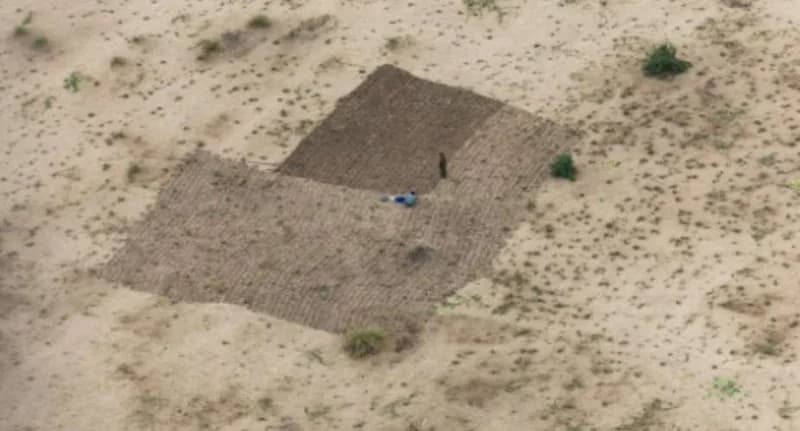
Nigerian President Bola Ahmed Tinubu has revealed a significant milestone in the nation's decade-long battle against insurgency, announcing that security forces have neutralized over 13,000 terrorists within the past year. This achievement is accompanied by the surrender of approximately 124,000 militants who have laid down their arms under a strategic government rehabilitation initiative. Despite these reported military successes, a parallel crisis is unfolding in the nation’s northern regions, where persistent attacks by jihadists and bandits are forcing farmers to abandon their lands at a critical point in the agricultural cycle.
The President highlighted that the cumulative efforts of the Nigerian military, bolstered by international cooperation, have resulted in an 81% reduction in terrorism-related deaths since 2015. Recent operations, including a high-profile strike by US and Nigerian forces against the Islamic State (IS) leadership, have significantly disrupted militant hierarchies. These joint efforts, often supported by USAFRICOM, have targeted high-ranking IS figures, further weakening the operational capacity of groups like Boko Haram and the Islamic State West Africa Province (ISWAP) across the region.
However, the security narrative remains complex on the ground. In states such as Zamfara and Borno, the arrival of the annual rainy season—vital for the June-to-September planting period—has been met with fear rather than hope. Armed groups and bandits continue to terrorize rural communities, imposing illegal ‘protection levies’ on farmers and demanding heavy ransoms for kidnapped agricultural workers. These hostile conditions have left vast expanses of fertile land fallow, as many farmers have fled their communities to seek safety in urban centers or internal displacement camps, raising alarms about the upcoming harvest.
The economic implications of this rural instability are profound, with the International Monetary Fund (IMF) warning that deteriorating security in the agricultural belt could exacerbate poverty and deepen the nation's critical food insecurity. As Africa's most populous nation, Nigeria's ability to maintain price stability depends heavily on the safety of its northern farmers. While the neutralization of thousands of terrorists marks a clear victory for the state, the transition from military dominance to rural safety remains a pivotal challenge for the Tinubu administration in ensuring long-term national stability and food sovereignty.
This story touches markets covered on Anansi Intelligence ↗.
More from africa
Continue exploring similar stories


