••
TGMA Nominations Spark Industry Debate as AratheJay and Cina Soul Seek Clarity Amidst Calls for Unity
•3 min read•5 sources
The announcement of the 27th Telecel Ghana Music Awards (TGMA) nominations has sparked a wave of formal petitions and calls for structural reform, highlighting a growing demand for transparency within the Ghanaian music industry. Following the release of the nominees on March 14, 2026, prominent artists including Cina Soul and AratheJay have officially contested their exclusion from major categories, while industry analysts criticize the efficacy of the awards' new "Swing Period" policy. This period of friction coincides with efforts by the Musicians Union of Ghana (MUSIGA) to foster professional development and wellness among its members, reflecting a multifaceted push for industry growth.
Highlighting specific grievances, the management teams for both AratheJay and Cina Soul have submitted formal letters to Charterhouse Ghana requesting clarity on the nomination process. AratheJay’s team expressed concern over the omission of his commercially successful debut album, "The Odyssey," from top-tier categories, despite the artist securing three other nominations. Similarly, singer Cina Soul challenged the exclusion of her September 2025 debut album, "Did I Lie," and her collaboration with Stonebwoy, "Larger Than Life," for Collaboration of the Year. Both artists emphasized that their petitions are rooted in a desire for procedural fairness and transparency rather than mere entitlement to awards.
Beyond individual artist grievances, the TGMA's "Swing Period"—a mechanism designed to account for songs that gain popularity after the initial eligibility cut-off—has come under significant scrutiny. Critics, including Richmond Adu-Poku, argue that the policy is poorly executed and fails to capture significant hits, citing Wendy Shay’s "Too Late" as a notable omission. The consensus among some industry observers is that the current system requires a comprehensive overhaul rather than minor adjustments to better reflect the contemporary music landscape, where digital consumption patterns and viral trends often delay a song's peak popularity long after its release.
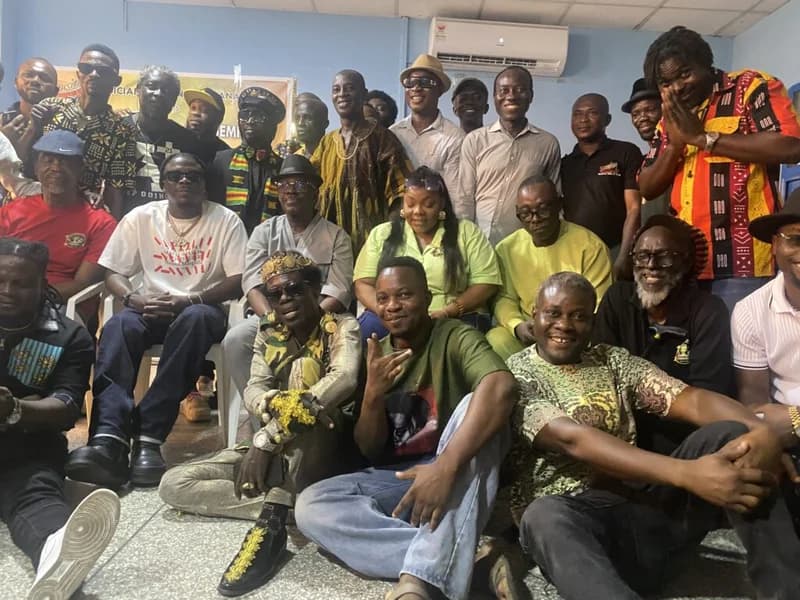
Amidst these administrative tensions, MUSIGA has remained focused on artist empowerment and industry solidarity. At a recent Music Business Seminar and health screening event, high-profile artists Stonebwoy and Celestine Donkor joined MUSIGA President Bessa Simons to advocate for a united front. Stonebwoy specifically urged musicians to support the union’s leadership to effectively navigate industry challenges and improve professional conditions. The event also prioritized artist wellness, providing health screenings through partners like Gyasu and Anufaanu Herbal Centers, emphasizing that the physical and mental health of creators is as vital to the industry as the music itself.
As Charterhouse provides stakeholders a limited window to contest nominations before the final list is solidified, the current dialogue serves as a critical pulse check for the industry. The dual focus on administrative fairness at the TGMAs and the collective advocacy for wellness and unity through MUSIGA underscores a maturing ecosystem. Moving forward, the industry’s ability to balance professional standards with structural transparency will be vital in maintaining the credibility of Ghana’s premier music honors while ensuring the long-term sustainability of its artists’ careers.
This story touches markets covered on Anansi Intelligence ↗.
Related topic
Stonebwoy: Latest News & Updates →More from entertainment
Continue exploring similar stories


