••
Tepa Nursing and Midwifery Training College Appeals for Urgent Infrastructure Support Amidst Growing Enrollment
•2 min read•1 source
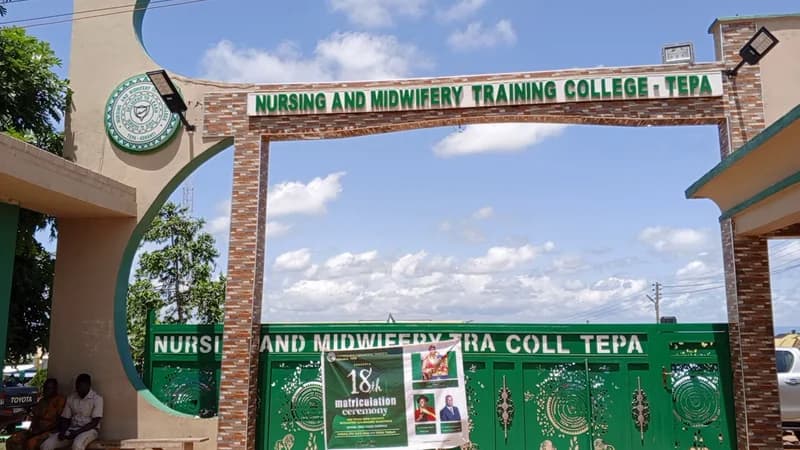
The Tepa Nursing and Midwifery Training College in the Ashanti Region has made a passionate appeal to the government for immediate intervention to address a mounting infrastructure deficit. Speaking during a matriculation ceremony for over 2,000 new students, Board Chairman Addai Amankwa highlighted several critical challenges that are currently undermining the college's operations and the welfare of its growing student body. The institution, located in the Ahafo Ano North District, is grappling with a combination of inadequate security, an unstable power supply, and severe housing shortages that threaten its educational mandate.
According to the Board Chairman, the lack of a reliable power source remains a significant hurdle, especially during frequent grid outages. Mr. Amankwa called for the provision of a dedicated power plant to ensure that teaching and learning are not disrupted. Furthermore, the college is facing a water crisis due to insufficient storage and distribution systems. Security also remains a top priority, as the current facilities do not provide adequate protection for students and staff, leaving the community vulnerable to external risks. The board has requested immediate security enhancements to safeguard the campus environment.
The accommodation crisis has reached a tipping point, with the college unable to house its expanding population on-site. This shortage has forced many students to seek private accommodation off-campus, where they often face heightened safety concerns and additional financial burdens. Principal Dr. Albert Opoku, addressing the freshers, acknowledged these difficulties but urged them to remain disciplined and committed to their academic pursuits. He emphasized that despite the logistical hurdles, the college remains dedicated to producing high-quality healthcare professionals, while also recognizing the foundational work of his predecessors in establishing the school.
As the college looks toward future growth, the leadership has emphasized that current resources are stretched to their limits. Without swift support from the government and relevant stakeholders, the institution warns that the quality of nursing and midwifery training could be affected by these environmental constraints. The appeal serves as a critical call to action to ensure that the next generation of Ghanaian health workers is trained in a safe, modern, and conducive environment.
This story touches markets covered on Anansi Intelligence ↗.
More from education
Continue exploring similar stories


