••
Tema Oil Refinery Receives 1 Million Barrels of Crude as Ghana Strengthens Local Energy Production and Utility Oversight
•3 min read•10 sources
The Tema Oil Refinery (TOR) has reached a significant milestone in its efforts to revitalize domestic operations with the receipt of one million barrels of Jubilee Medium Sweet Crude. The shipment, delivered via the vessel MT Apache, is part of a strategic initiative to enhance Ghana’s energy security through local refining rather than relying solely on imported finished products. This move aligns with a broader government commitment to boost the state-owned refinery’s efficiency, create industrial jobs, and ensure a steady supply of petroleum products for the local market. The arrival of the Jubilee crude marks the second major consignment of its kind, signalling a renewed focus on leveraging Ghana’s own natural resources to stabilize the domestic energy sector.
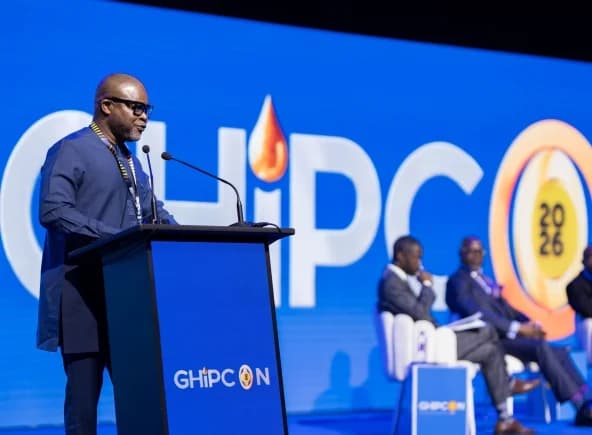
While TOR focuses on supply, industry leaders are highlighting the resilience of Ghana’s downstream petroleum sector. Michael Bozumbil, CEO of PETROSOL Platinum Energy PLC, recently emphasized that strong governance and local content policies have been foundational to the industry’s growth. This sentiment is echoed by private sector innovations, such as the launch of the Smappee Infinity smart energy management system by Flux Power & Automation. This technology, piloted in Accra, aims to help Ghanaian businesses in sectors like banking and healthcare monitor electricity usage in real-time to cut costs and reduce waste. Together, these developments reflect a dual approach of increasing production capacity while promoting efficiency across the energy value chain.
On the regulatory front, the Public Utilities Regulatory Commission (PURC) has intensified its consumer protection efforts, successfully facilitating GH"105,273.50 in credit adjustments for utility customers in the Greater Accra Region. Following nearly 1,000 complaints regarding disputed bills and service issues with the Electricity Company of Ghana (ECG) and Ghana Water Limited (GWL), the Commission achieved a 99% resolution rate. This regulatory intervention is intended to build consumer confidence and hold utility providers accountable, especially as consumers increasingly utilize electronic channels to report grievances about service quality.
These local advancements occur against a backdrop of global market volatility and necessary infrastructure maintenance. Internationally, Brent crude prices recently rose by over 1% to reach $89.22 per barrel, driven by geopolitical tensions in the Middle East and shifting U.S.-Iran negotiations. Domestically, the ECG continues to conduct essential maintenance across the Tema, Ashanti, and Accra West regions to stabilize the grid, even as countries like Portugal and Morocco explore international funding for new power interconnectors to improve regional energy links. For Ghana, the combination of domestic refining, strict utility regulation, and private-sector innovation remains critical to navigating both global economic pressures and local operational challenges.
This story touches markets covered on Anansi Intelligence ↗.
More from business
Continue exploring similar stories


