••
Telecel Digital Expansion, IMF Egypt Agreement, and Rising African Luxury Define Regional Business Trends
•3 min read•5 sources
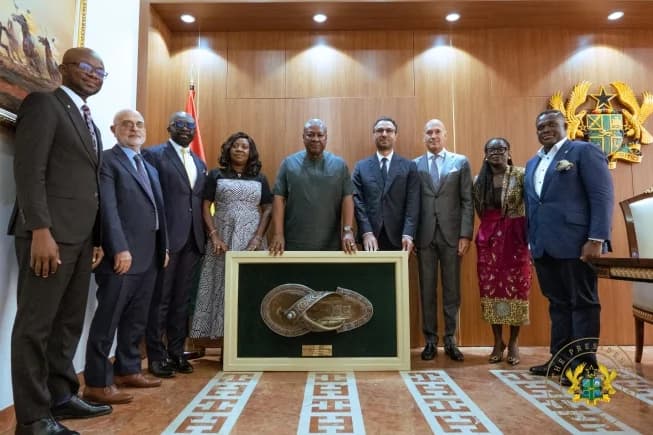
Telecel Group's commitment to Ghana's digital future and the International Monetary Fund's (IMF) staff-level agreement with Egypt represent significant milestones in the continent's current economic landscape. Telecel Group, led by Board Chair Nicolas Bourg, recently met with President John Dramani Mahama to reaffirm their dedication to expanding Ghana's network infrastructure by 2026. This corporate commitment aligns with broader regional stabilization efforts, such as the IMF's agreement with Egypt, which is set to unlock approximately $1.6 billion in financing. These funds, part of a larger $7.2 billion disbursement plan, are intended to support Egypt's economy, which has maintained a 5% GDP growth rate for the third quarter despite ongoing regional conflicts. Telecel's strategy in Ghana extends beyond infrastructure to significant social impact through digital education and healthcare initiatives. The group is a key partner in the One Million Coders Programme, which aims to train 100,000 young Ghanaians, and has collaborated with the Ghana Medical Trust Fund to enhance cervical cancer screening across major hospitals. President Mahama has reiterated the government’s dedication to providing a favorable business environment, which remains crucial as the Ghanaian Cedi continues to experience fluctuations. As of late June 2026, the Cedi was trading at GHS 12.30 to the US dollar in forex bureaus, while the Bank of Ghana interbank rate remained lower at GHS 11.34, highlighting the persistent need for robust fiscal management. Regional collaboration is also driving essential utility reforms, as seen in Sierra Leone. A UK-funded initiative, supported by ASI and Deloitte Ghana, is working to stabilize the country's electricity sector by improving revenue collection at the Electricity Distribution and Supply Authority (EDSA). By enhancing data systems and reducing losses, particularly among commercial users, the project aims to foster a sustainable environment for private sector engagement. This mirrors the IMF's recommendations for Egypt, where maintaining a strict monetary policy and enhancing fiscal performance are seen as vital steps toward supporting private-sector-led growth across the region. Amidst these large-scale economic and infrastructural shifts, the African luxury market is reaching new heights of prestige. Ghanaian brand Warrior King Timepieces recently unveiled the Warrior King Tourbillon Pièce Unique, Africa’s most expensive watch. Handcrafted by founder Patrick Amofah, the timepiece features a rose gold case and an intricate tourbillon escapement. The brand's rise, evidenced by the presentation of a bespoke watch to the Asantehene, signifies the potential for traditional craftsmanship to merge with contemporary design. These diverse developments, from high-finance agreements and digital infrastructure to luxury horology, illustrate a complex but maturing African business environment poised for long-term development.
This story touches markets covered on Anansi Intelligence ↗.
Related topic
John Mahama: Latest News & Updates →Live rates
Bank of Ghana policy rate →More from business
Continue exploring similar stories


