••
Telecel Ghana Foundation and Local Donors Launch Digital Literacy Initiatives to Train Thousands of Students
•2 min read•3 sources
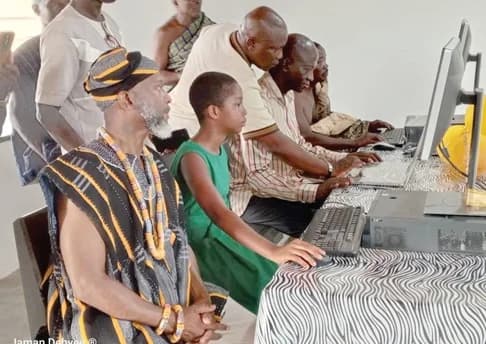
In a significant push toward enhancing digital literacy across Ghana, the Telecel Ghana Foundation has launched 'Telecel Ashanti Codes,' a major initiative designed to train 1,000 young students in coding, robotics, and Internet of Things (IoT) technologies. The program, inaugurated at the Nana Afia Kobi Serwaa Ampem II Library in Kumasi, marks a collaborative effort to equip the next generation with essential technological skills. Simultaneously, grassroots efforts in the Eastern Region have seen the commissioning of a new ICT laboratory at the Frankadua Evangelical Presbyterian Primary School, highlighting a nationwide momentum toward bridging the digital divide in both urban and rural communities.
The Telecel Ashanti Codes initiative specifically targets upper primary and junior high school students across several key locations, including Kumasi, Wiamoase, Nsuta, and Obuasi. Delivered through structured weekend sessions led by specialists from Asustem Robotics, the curriculum emphasizes community problem-solving through hands-on capstone projects. Ashanti Regional Minister Dr. Frank Amoakohene and Kumasi Mayor Hon. Richard Ofori Agyemang Boadi have both lauded the program, noting that such investments are critical for ensuring that Ghanaian youth can participate effectively in the global digital economy. The partnership with the Ghana Library Authority ensures that these training sessions are accessible through multiple library facilities, with a strategic focus on increasing female participation in STEM fields.
Parallel to the large-scale Ashanti initiative, the Frankadua Evangelical Presbyterian Primary School recently celebrated the opening of a dedicated ICT laboratory, made possible by Torgbe Kofi Dunenyo I and the Nine23 Foundation. During the launch ceremony, local leaders emphasized that the facility is more than just a room of computers; it is a gateway for students to develop the skills necessary for modern academic and professional success. Speakers at the event stressed the importance of community ownership and the rigorous maintenance of the equipment to ensure that future generations of learners continue to benefit from this technological advancement.
These combined efforts represent a multifaceted approach to educational development in Ghana, where corporate foundations and traditional leaders are increasingly stepping in to supplement formal schooling with practical digital training. By focusing on high-growth areas like robotics and IoT while simultaneously providing foundational ICT infrastructure in underserved areas, these initiatives are laying the groundwork for a more technologically proficient workforce. As these programs roll out through the end of the year, the emphasis remains on sustainability and ensuring that the digital revolution reaches students regardless of their geographical location.
This story touches markets covered on Anansi Intelligence ↗.
More from education
Continue exploring similar stories


