••
The Battle for Authenticity: Taylor Swift and Music Fans Lead Global Pushback Against AI-Generated Content
•2 min read•2 sources
The rapid advancement of artificial intelligence is fundamentally reshaping the landscape of the music and entertainment industries, sparking a two-pronged battle over digital identity and content transparency. Global superstar Taylor Swift has taken a landmark legal step by filing three trademark applications in the United States to protect her voice and likeness from AI exploitation. This proactive move, which includes specific imagery from her record-breaking Eras Tour and audio clips from promotional material, marks a significant shift in how public figures safeguard their personal brands. While artists have traditionally relied on copyright and publicity laws, the ease with which AI can now generate convincing deepfakes has forced a move toward trademarking as a more robust defense against unauthorized imitations and identical reproductions.
This legal maneuver by high-profile celebrities—including others like Matthew McConaughey and Scarlett Johansson who have expressed similar concerns—is mirrored by growing discontent among music consumers. Listeners are increasingly vocal about the infiltration of AI-generated tracks on major streaming platforms, which many feel devalues human creativity. On Spotify, the lack of native tools to identify or filter out non-human content has led to the development of independent solutions. Developer Cedrik Sixtus recently introduced the "Spotify AI Blocker," a tool designed to label and filter over 4,700 suspected AI-generated artists. Sixtus and a growing number of listeners are demanding greater transparency and user control, arguing that current streaming features fail to distinguish between human artistry and algorithmic output.
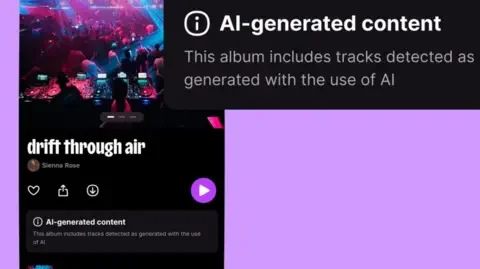
The music industry remains deeply divided on how to manage this technological influx while maintaining user trust. While competitors like Deezer have already begun implementing tagging systems to clearly identify AI music, Spotify continues to navigate a complex path, attempting to balance the economic potential of AI with the need to protect the integrity of its catalog. As AI capabilities continue to improve, the pressure is mounting for the establishment of global standards and clear labeling requirements. The actions of both individual artists like Swift and grassroots consumer movements highlight a critical turning point: the industry must soon decide whether to embrace an AI-integrated future or double down on the legal and technological barriers that protect human identity.
This story touches markets covered on Anansi Intelligence ↗.
More from technology
Continue exploring similar stories


