••
Ghana's Deputy Minister Mohammed Adam Sukparu Urges Africa to Lead Digital Innovation and Data Sovereignty
•2 min read•1 source
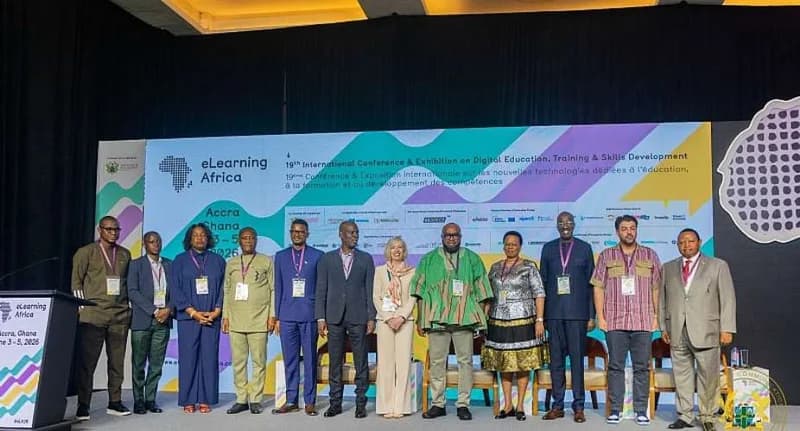
Ghana's Deputy Minister for Communication, Digital Technology, and Innovations, Mohammed Adam Sukparu, has issued a powerful call for African nations to reclaim their digital destinies. Speaking at the 19th eLearning Africa Conference held in Accra, Sukparu emphasized that the continent must move beyond being a passive consumer of global technology. Instead, he argued, Africa must position itself as a lead creator and regulator of digital solutions that are tailored to its unique cultural and economic landscapes. This shift is seen as essential to ensuring that the digital revolution serves African interests rather than external agendas.
Central to the Minister's address was the critical issue of data sovereignty and the risks associated with a heavy reliance on externally developed systems. Sukparu warned that adopting foreign-made artificial intelligence (AI) tools without critical evaluation—particularly in the education sector—could expose the continent to algorithmic biases and data vulnerabilities. By controlling their own data and digital infrastructure, African nations can mitigate these risks and ensure that technological advancements align with local realities. He stressed that without such autonomy, Africa remains susceptible to digital colonial influences that may not prioritize the continent’s specific developmental needs.
Highlighting Ghana's proactive stance, the Deputy Minister pointed to several key initiatives designed to bolster the nation's digital independence. These include the development of a National AI Strategy and the establishment of a national Data Hub, both of which aim to provide a structured framework for innovation and secure data management. These steps are intended to serve as a blueprint for how African nations can build robust ecosystems that support indigenous technological growth while maintaining high standards of security and ethics.
As Africa continues to navigate the complexities of the global digital economy, Sukparu's message underscores the urgency of collective action and local adaptation. The transition from consumer to creator is not merely a technical challenge but a strategic necessity for long-term sovereignty. By prioritizing home-grown solutions and rigorous regulatory frameworks, African countries can foster an environment where technology acts as a true catalyst for progress, education, and economic empowerment, ultimately shaping a future defined by African innovation.
This story touches markets covered on Anansi Intelligence ↗.
More from technology
Continue exploring similar stories


