••
Ghana to Deploy One Million Smart Meters as Artificial Intelligence Reshapes Energy Management
•2 min read•1 source
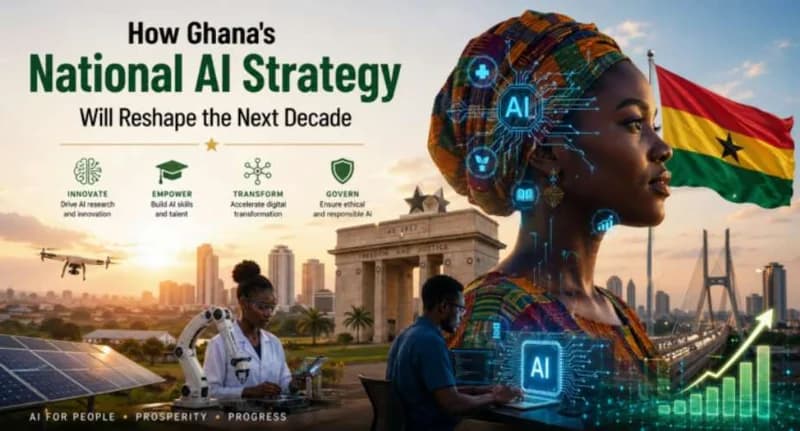
Ghana is positioning itself at the forefront of the technological revolution in energy management with a strategic plan to install one million smart meters. This initiative is part of a broader shift toward integrating Artificial Intelligence (AI) and the Internet of Things (IoT) to optimize the country's energy production, distribution, and consumption. By leveraging computational algorithms, Ghana aims to transition from traditional energy models to a more resilient smart grid system, mirroring successful digital energy initiatives seen in other African nations like Nigeria and Kenya. The technical sophistication of these AI-driven systems allows for precise energy forecasting and dynamic pricing, which are crucial for balancing peak loads and reducing operational costs. Through machine learning and the use of digital twins—virtual replicas of physical energy assets—utility providers can conduct predictive maintenance, identifying potential faults before they lead to blackouts. Pilot projects, including those in student housing, have already demonstrated the potential of these technologies to significantly lower energy consumption and improve overall reliability. Despite the clear benefits, the implementation of AI and smart technologies in Ghana faces several hurdles. Infrastructure limitations, poor data quality, and financial constraints remain significant barriers to a nationwide rollout. Furthermore, there is an urgent need for skilled personnel capable of managing complex edge-cloud processing and cybersecurity frameworks. Addressing these challenges will require a concerted effort to enhance regulatory frameworks and foster institutional collaborations that can attract the necessary investment for digital transformation. Looking ahead, the future of Ghana's energy sector depends on the development of scalable AI solutions that are economically viable and secure. Experts recommend that the government establish a comprehensive strategy for digital energy management to guide the integration of these smart technologies. By prioritizing cybersecurity and conducting thorough economic evaluations, Ghana can ensure that its smart grid infrastructure not only meets current demand but is also capable of adapting to future technological advancements under the administration of President John Mahama.
Related topic
John Mahama: Latest News & Updates →
