••
Africa Regional Update: Sudan Hospital Tragedy, Ghana Human Trafficking Rescues, and South Africa’s Reparation Milestone
•3 min read•8 sources
The African continent faces a series of intersecting humanitarian and security challenges, most poignantly illustrated by the escalating violence in Sudan. The World Health Organization (WHO) recently confirmed a devastating drone strike on the Al Deain Teaching Hospital in East Darfur, which claimed the lives of 70 people, including women, children, and medical personnel. The facility, which serves over two million people, has been forced out of operation as a result of the attack. Simultaneously, the neighboring nation of Chad has begun the urgent relocation of at least 2,300 refugees from its border with Sudan. President Mahamat Idriss Deby ordered military deployments and evacuations in the Ennedi Est Province following a drone attack that killed 17 people, highlighting the regional spillover of a conflict that has already displaced millions and claimed over 40,000 lives.
Amidst these security crises, significant efforts are being made to protect the vulnerable and uphold the rule of law across West and East Africa. In Ghana, the anti-slavery NGO Challenging Heights, in collaboration with state security agencies, successfully rescued 22 children—11 boys and 11 girls aged 7 to 13—from human trafficking and forced labor in the Lake Volta region. The organization reported a worrying trend of Nigerian nationals being trafficked into Ghana for exploitation in cybercrime and prostitution. To combat this growing crisis, Challenging Heights has called on the Ghanaian government to allocate GH"20 million to resource-strapped anti-trafficking agencies. Meanwhile, in South Sudan, the United Nations Mission (UNMISS) is expanding access to justice through mobile courts. Recently, these courts concluded 12 cases in the remote Yei region, many involving sexual and gender-based violence, as part of a broader strategy to reduce case backlogs and enhance the rule of law in post-conflict areas.
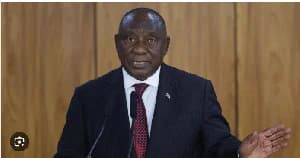
Beyond immediate humanitarian interventions, a movement toward historical justice and decolonization is gaining momentum. In South Africa, President Cyril Ramaphosa presided over the reburial of the remains of 63 Khoi and San individuals in the Northern Cape. These remains, taken between 1868 and 1924, were recently repatriated from The Hunterian Museum at the University of Glasgow. President Ramaphosa characterized the historical removal of these remains as "corpse theft" and urged European nations to acknowledge colonial injustices and consider reparations. This ceremony marks a critical step in restoring dignity to African ancestors and reclaiming cultural heritage from former colonial powers, reflecting a continent-wide push to address the legacy of exploitation while navigating the complexities of modern-day governance and safety.
This story touches markets covered on Anansi Intelligence ↗.
Related topic
John Mahama: Latest News & Updates →More from africa
Continue exploring similar stories


