••
Sudan’s Deadly Drone Strikes and the Controversial Resumption of Mozambique’s $20bn LNG Project
•2 min read•2 sources
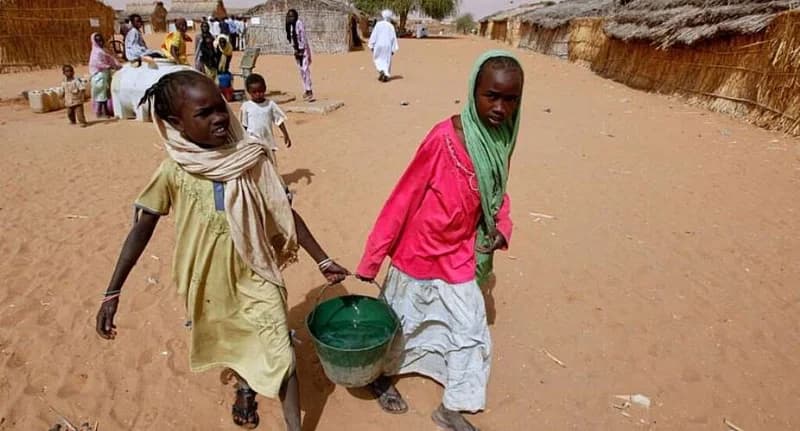
Across the African continent, two major security and economic developments have come to the fore, highlighting the volatile intersection of conflict and industrial ambition. In Sudan, human rights organizations have raised alarms over the intensification of drone strikes targeting civilian areas, which have become a primary driver of fatalities in the ongoing civil war. Simultaneously, in Mozambique, the resumption of the $20 billion Cabo Delgado Liquefied Natural Gas (LNG) project by TotalEnergies has reignited intense debate over community safety and corporate accountability in the face of a persistent Islamist insurgency.
In Sudan, the conflict between the national army and the Rapid Support Forces (RSF) paramilitary has entered a lethal new phase. According to the advocacy group Emergency Lawyers, drone strikes now account for approximately 80% of civilian deaths in contested regions. Recent attacks have struck residential neighborhoods, schools, markets, and even funeral gatherings, with one recent incident resulting in at least 23 civilian deaths. The city of El-Obeid remains under siege, as the use of armed drones disrupts daily life and exacerbates an already dire humanitarian crisis that has been ongoing since April 2023.
Further south, the Mozambique LNG project in Cabo Delgado is moving forward despite the shadow of a violent insurgency led by Ansar al-Sunna. Since 2017, the conflict has claimed over 6,500 lives and displaced nearly one million people, forcing TotalEnergies to suspend operations in 2020. While the company resumed activities in early 2023, claiming to have established livelihood restoration programs and relocated affected families, local sentiment remains deeply skeptical. Activists point to unresolved compensation claims and the isolating nature of the oil operations as sources of growing community resentment and perceived negligence.
Both situations underscore the high human cost of regional instability and the complexities of international intervention. In Mozambique, TotalEnergies faces legal complaints regarding its role in local security dynamics during a 2021 attack in Palma. Similarly, in Sudan, the indiscriminate use of technology in urban warfare has left civilians with few safe havens. As international observers monitor these regions, the outcomes in Sudan and Mozambique will likely serve as critical benchmarks for how global energy interests and regional paramilitary forces are held accountable for civilian protection and humanitarian welfare.
This story touches markets covered on Anansi Intelligence ↗.
More from africa
Continue exploring similar stories


