••
STAR-Ghana Foundation Urges Integration of Volunteerism into National Workforce and Development Planning
•2 min read•3 sources
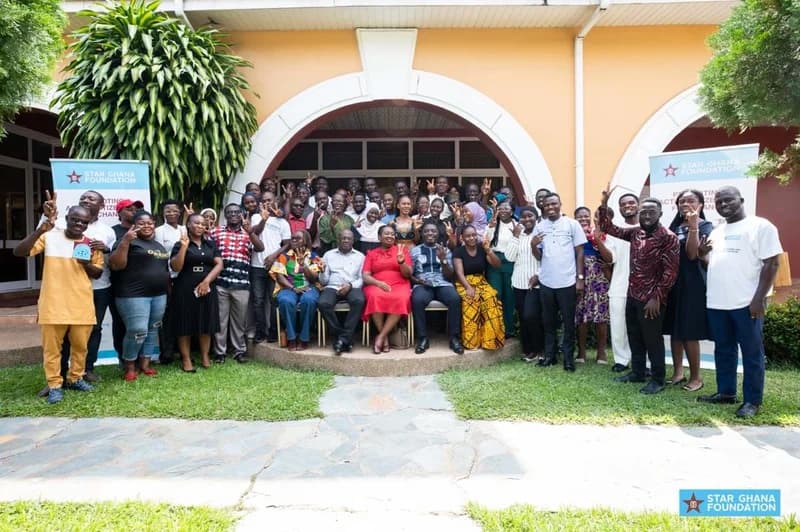
The STAR-Ghana Foundation has made a strong case for the formal integration of volunteerism into Ghana’s national development agenda and workforce planning. During a Community-Based Volunteerism Project Learning Event held in Kumasi, the foundation highlighted volunteerism as an essential, yet underutilized, tool for enhancing governance, community development, and active citizen participation. The call comes at a time when traditional development financing faces increasing constraints, making local resource mobilization and community-led action more critical than ever.
The foundation’s proposal is backed by insights gathered from an 18-month pilot initiative that engaged 18 partner organizations across 91 communities nationwide. This project aimed to explore how volunteerism could effectively tackle pressing social, economic, and governance challenges by harnessing local resources and empowering citizens. The event served as a platform for Civil Society Organisations, community leaders, and government representatives to reflect on the lessons learned from this large-scale engagement and identify a sustainable path forward.
Speaking at the event, Mr. Ibrahim-Tanko Amidu, the Executive Director of STAR-Ghana Foundation, emphasized that volunteerism should not be viewed as a peripheral activity but as a core pillar of the country's development framework. He noted that leveraging the skills and resources of local populations is a vital strategy for long-term sustainability, especially given the current constraints on development financing. Similarly, Project Officer Ms. Allswell Hooper-Garbrah reached out to the youth, urging them to see volunteerism as a productive pathway to utilize community resources and build personal capacity while contributing to the nation’s growth.
As the pilot project concludes, the foundation is calling for a national policy shift to formalize volunteer structures within national workforce planning. By creating a clear framework for volunteer engagement, stakeholders believe Ghana can better harness the energy of its citizens to address developmental gaps. The integration of these practices into broader national strategies is expected to foster a greater sense of civic responsibility and ensure that community development remains inclusive, resilient, and locally driven.
This story touches markets covered on Anansi Intelligence ↗.
More from education
Continue exploring similar stories


