••
South Africa's Xenophobia Crisis Sparks Economic Fallout and International Condemnation
•3 min read•3 sources
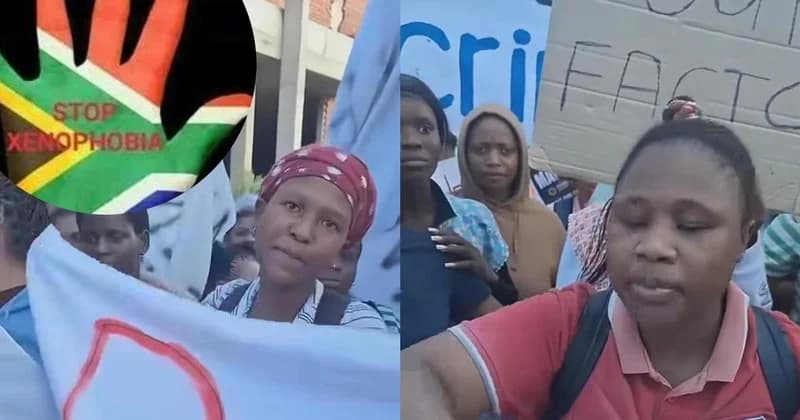
South Africa is currently grappling with a severe wave of xenophobic violence and crackdowns that have sparked international condemnation and triggered significant economic repercussions both at home and abroad. While the government maintains its focus is on addressing illegal immigration, the resulting climate of fear has led to the deaths of several foreign nationals and prompted foreign governments, including Ghana, to evacuate their citizens. The crisis is not only a humanitarian concern but is also evolving into a diplomatic and economic challenge that threatens South Africa’s standing within the African Union and the global community.
The cultural and economic sectors are already feeling the strain of this unrest. South African musicians and performers are reporting a sharp decline in revenue as their scheduled performances across the continent are being cancelled by organizers citing safety concerns and regional solidarity against anti-immigrant sentiment. Justice Minister Mmamoloko Kubayi recently addressed these concerns, emphasizing that the government does not endorse xenophobia and is working to protect the livelihoods of artists by improving South Africa’s image abroad. Domestically, South African workers have taken to the streets to protest the crackdowns, warning President Cyril Ramaphosa that industries such as manufacturing and garment production are heavily reliant on foreign expertise and could collapse without the presence of immigrant workers.
International figures have joined the chorus of disapproval, most notably World Health Organization (WHO) Director-General Dr. Tedros Adhanom Ghebreyesus. Dr. Tedros described the violence—which has claimed the lives of at least ten Ethiopians and Mozambicans—as a "tragic betrayal" of South Africa’s long struggle for freedom and equality. He reminded the nation that African neighbors once stood united with South Africa against the apartheid regime and urged for a return to compassion and the lawful resolution of grievances. This sentiment was echoed by the Ghanaian government, which moved to evacuate over 1,000 of its citizens for their safety amidst rising tensions and widespread accusations of job theft against foreigners.
As the situation develops, the South African government faces the difficult task of balancing domestic pressures regarding immigration with its international obligations and economic realities. The Justice Ministry has called for an end to vigilantism, urging communities to distinguish between policy enforcement and targeted violence. The long-term implications for South Africa’s regional relations remain uncertain, but the current crisis underscores the urgent need for a cohesive strategy that addresses socio-economic anxieties without compromising human rights or the nation’s role as a continental hub for trade and culture.
This story touches markets covered on Anansi Intelligence ↗.
More from africa
Continue exploring similar stories


