••
South Africa Commemorates 50th Anniversary of Soweto Uprising Amid Modern Economic Challenges and Calls for Unity
•2 min read•2 sources
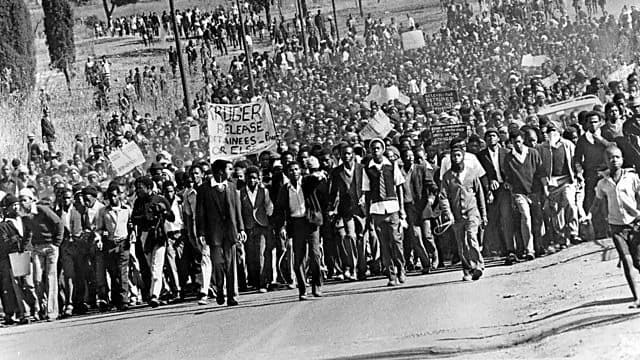
South Africa on June 16, 2026, observed the 50th anniversary of the Soweto Uprising, a watershed moment in the nation's liberation history. Half a century ago, thousands of Black schoolchildren took to the streets of Soweto to protest the forced use of Afrikaans as a medium of instruction in schools. The peaceful march turned into a massacre when police opened fire, killing over 200 young protesters according to unofficial tolls. This brutal response catalyzed global condemnation and mobilized a new generation of activists, fundamentally shifting the trajectory of the struggle against the apartheid regime.
The anniversary serves as a somber reminder of the sacrifices made by youth such as Hector Pieterson, whose iconic image became a global symbol of the anti-apartheid struggle. While the uprising eventually paved the way for a democratic transition, survivors continue to recount the lasting trauma of that day. Historical records highlight that the protests were initially focused on educational autonomy but quickly evolved into a broader resistance against racial oppression. Today, observers reflect on how this pivotal event awakened the world to the atrocities of apartheid, yet some warn that the original political significance of the day is increasingly being overshadowed by modern celebrations.
Despite the political freedom achieved since 1976, contemporary South Africa faces a modern youth crisis characterized by severe economic hardship. High unemployment rates continue to disproportionately affect the youth, and data reveals a persistent educational gap where only 5% of Black South Africans currently hold university degrees. These economic challenges echo the frustrations of the past, as the current generation grapples with inequality and the unfulfilled promises of the democratic era, leading to a sense of disillusionment among those who were expected to benefit most from the 1976 sacrifices.
In a commemorative address, voices such as Steven Odarteifio have emphasized the need for a renewed sense of Pan-Africanism to address these systemic issues. Highlighting the support South Africa received from fellow African nations during the anti-apartheid struggle, the call for unity aims to dismantle modern divisions and hostility among Africans. The 50th anniversary serves as a platform to advocate for collective growth and dignity, urging South Africans to look beyond internal divisions and embrace a shared continental vision to overcome the barriers that still hinder the progress of the nation's youth.
This story touches markets covered on Anansi Intelligence ↗.
More from africa
Continue exploring similar stories


