••
South Africa Faces Diplomatic Crisis and Mass Exodus Following Nationwide Anti-Migrant Protests
•3 min read•19 sources
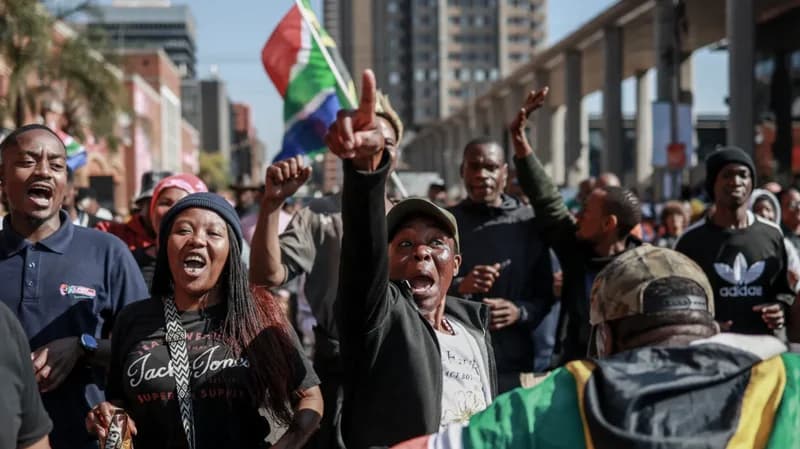
South Africa is grappling with a wave of intense anti-migrant demonstrations that have resulted in the detention of over 900 individuals and sparked a mass exodus of thousands of foreign nationals. While many of the 120 scheduled marches across the country remained orderly, several escalated into violence, looting, and clashes with law enforcement, particularly in major hubs like Johannesburg and Durban. In response, the South African government deployed military support to assist police in maintaining order. The unrest, fueled by groups such as Operation Dudula and leaders like Jacinta Ngobese-Zuma, centers on demands for the mass expulsion of undocumented migrants whom protesters blame for local unemployment, crime, and strained public services.
The humanitarian impact of the protests has been significant, with reports indicating that thousands of foreign nationals have already been repatriated to their home countries. Nigeria has been particularly proactive in responding to the crisis, with its Foreign Ministry announcing plans to seek formal compensation from the South African government for properties and businesses abandoned by fleeing citizens. Acting High Commissioner Alexander Ajayi confirmed that over 600 Nigerians have already returned home, many leaving behind life savings and established enterprises due to safety fears. While South African authorities argue that many of the evacuees were in the country illegally, the Nigerian government disputes these claims and is currently documenting losses to present at a high diplomatic level.
Amidst the chaos, some South African residents have voiced opposition to the forced closure of foreign-owned businesses, noting their vital role in creating local jobs and providing essential services. President Cyril Ramaphosa has engaged with protest organizers, urging peaceful conduct and firmly rejecting the narrative that migrants are the root cause of the nation's economic instability—a sentiment echoed by Amnesty International and other human rights organizations. These groups warn that systemic socioeconomic failures are being unfairly blamed on vulnerable populations, distracting from the deeper issues of poverty and inequality. This climate of hostility has also raised xenophobia concerns elsewhere; for instance, Ghanaian-owned real estate firm JonahCapital recently accused officials in Nigeria of instigating a xenophobic campaign against foreign investors during a property dispute in Abuja.
The ongoing volatility poses a direct threat to the African Union’s goals for regional integration and the success of the African Continental Free Trade Area (AfCFTA). As South Africa approaches local elections, the rising tension between native citizens and foreign residents highlights an urgent need for comprehensive immigration reform and sustainable economic growth to alleviate resource competition. International observers warn that if left unaddressed, the current cycle of xenophobic sentiment and retaliatory diplomatic measures could isolate South Africa from its neighbors and undermine decades of progress toward continental unity and stability.
This story touches markets covered on Anansi Intelligence ↗.
More from politics
Continue exploring similar stories


