••
Sophia Akuffo Defends DDEP Protests and Urges Greater Accountability in Governance
•3 min read•11 sources
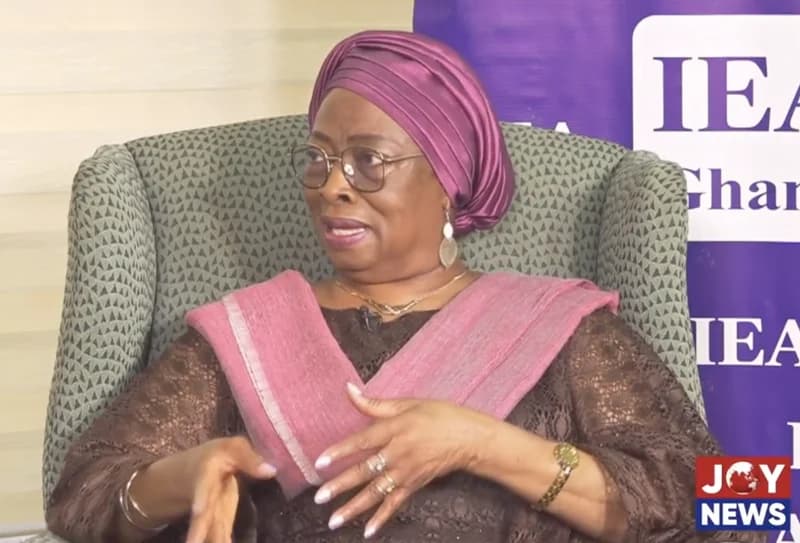
Former Chief Justice Sophia Akuffo has strongly defended her decision to join pensioners in picketing against the Domestic Debt Exchange Programme (DDEP) in early 2023, asserting that her actions were rooted in principle and a duty to speak out against unlawful government conduct. During recent appearances on Joy News' PM Express, Akuffo emphasized that she has no regrets about holding a placard at the Finance Ministry, stating, "You don’t sit there and just let unlawful things be done." She warned that the DDEP's bond "haircuts" have severely compromised the integrity of Ghana’s debt instruments, suggesting that the government’s long-term credibility is at stake as citizens and investors lose trust in future bond offerings.
Beyond the DDEP, Akuffo has expanded her critique to broader issues of governance and national policy. She expressed concern over the ratification of extended oil agreements, particularly those set to expire in several years, warning that such moves could lock Ghana into costly and inflexible deals. She called for the mandatory inclusion of review clauses in future contracts to protect the country's interests. Additionally, the former Chief Justice challenged public policy think tanks to intensify their scrutiny of governance and constitutional reviews, praising the Institute of Economic Affairs for its proactive role while urging others to ensure that long-standing practices truly serve the public interest.
While Akuffo remains critical of executive and policy decisions, she offered a nuanced view on the judiciary, dismissing claims of systemic corruption as being largely matters of public perception rather than reality. She argued that narratives of judicial "rot" often stem from weak legal cases and the influence of middlemen, rather than the judges themselves. However, her call for institutional integrity stands in stark contrast to reports of systemic failures elsewhere, such as a recent account from a senior Ghana National Fire Service (GNFS) officer whose father was allegedly forced to pay a bribe to secure his rightfully earned pension benefits after a year of administrative delays.
The broader landscape of administrative accountability in Ghana remains fraught with challenges, as highlighted by the Commission on Human Rights and Administrative Justice (CHRAJ). Fati Mahami, a CHRAJ Sub-Regional Director, recently lamented the slow implementation of the Disability Act of 2006, noting that many public offices remain inaccessible to Persons with Disabilities (PWDs). These issues of accessibility and corruption, alongside the recent controversy surrounding the DVLA’s pilot program for the diaspora, underscore a growing demand for transparency. Akuffo’s vocal stance serves as a catalyst for this movement, reminding public officials that ethical obligation and the protection of the vulnerable must remain at the forefront of national service.
This story touches markets covered on Anansi Intelligence ↗.
Related topic
Ghana Fire Service Recruitment: Latest News Today →More from politics
Continue exploring similar stories


