••
Somalia Raises Security Alarms Over WhatsApp's Username Feature Amid Anti-Terror Efforts
•2 min read•1 source
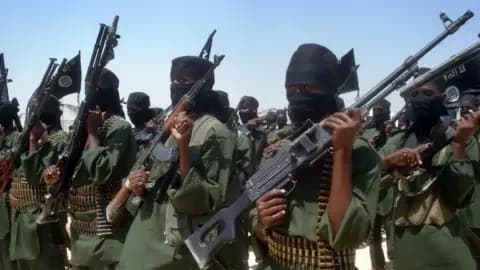
Somalia's government has voiced significant alarm over WhatsApp's upcoming feature that will allow users to chat using usernames rather than phone numbers. Communications Minister Ahmed Osman Dirie warned that the shift could severely undermine the nation's efforts to combat terrorism and organized crime, particularly activities linked to the al-Shabab militant group. This development places Somalia at the forefront of a global debate regarding the tension between digital privacy and national security.
The core of the concern lies in the loss of traceability. Currently, WhatsApp accounts are tied to physical phone numbers, which provides law enforcement and security agencies with a critical trail when investigating criminal activities. Minister Dirie emphasized that the introduction of usernames would make it increasingly difficult to track militants and fraudsters. Beyond terrorism, the Somali government is also wary of a potential surge in financial scams and digital fraud, as the lack of a linked phone number could embolden malicious actors to hide behind anonymous handles.
In response to these concerns, Meta, the parent company of WhatsApp, clarified that the username feature is not yet live and is still under development. The tech giant assured stakeholders that the feature would include robust safeguards designed to prevent scams and protect users. However, Somalia is not the only nation raising red flags; India has expressed similar anxieties regarding the feature's potential to facilitate untraceable communication. These reactions underscore a growing trend of governments demanding greater accountability from global tech platforms.
As Somalia continues its intensive fight against al-Shabab, the intersection of technology and security remains a sensitive battleground. The government’s stance highlights the challenge of implementing end-to-end encryption and privacy-focused features in regions where digital footprints are essential for counter-terrorism operations. Moving forward, the dialogue between Meta and sovereign states like Somalia will likely influence how these features are rolled out globally, balancing the individual's right to privacy with the state's responsibility to maintain public safety.
This story touches markets covered on Anansi Intelligence ↗.
More from technology
Continue exploring similar stories


