••
Ghana Music Evolution: Shatta Wale Collaborates with John Legend as 2026 TGMA Nominees Announcement Approaches
•3 min read•10 sources
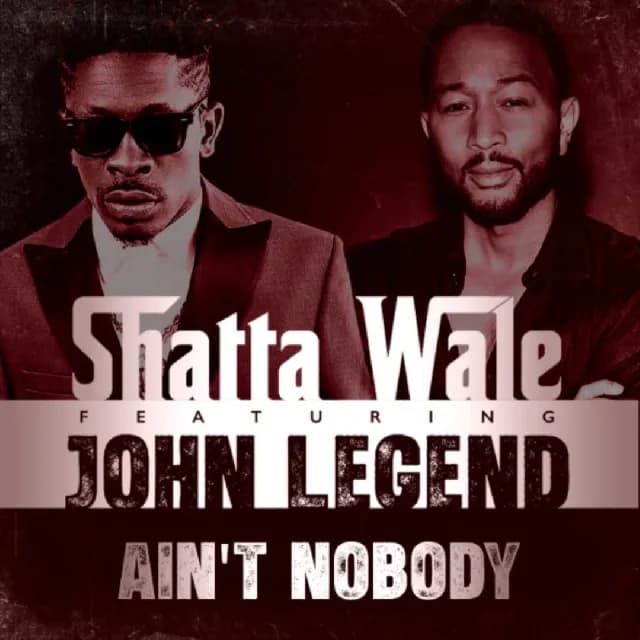
The Ghanaian music industry is reaching new heights on the global stage, headlined by dancehall icon Shatta Wale’s upcoming collaboration with 13-time Grammy winner John Legend. The new single, titled 'Ain’t Nobody,' is scheduled for release on March 20, 2026, and is described as a soulful blend of R&B, reggae, and dancehall rhythms. This milestone follows Shatta Wale’s previous international success with Beyoncé and further solidifies his status as a global ambassador for African music. Simultaneously, anticipation is peaking locally as Charterhouse prepares to unveil the nominees for the 27th Telecel Ghana Music Awards (TGMA) on March 14, 2026. This year's awards will celebrate works released throughout 2025, with industry watchers closely eyeing the Artiste of the Year and Song of the Year categories following King Promise’s victory in the previous cycle.
While the industry celebrates these advancements, veteran figures are reflecting on the structural and social challenges that persist within the creative arts. Amandzeba Nat Brew, the former board chair of the Ghana Music Awards, recently recounted the intense personal backlash he faced after the infamous 2019 brawl between Shatta Wale and Stonebwoy. He noted that the disciplinary measures taken at the time were met with significant hostility from the artists' supporters, highlighting the complexities of maintaining industry standards. In a similar vein of internal friction, highlife veteran Sloopy Mike Gyamfi has raised concerns regarding intellectual property, accusing singer Kuami Eugene of using his classic track 'Asem Kakra' without prior authorization. Although Gyamfi praised Eugene’s performance, he emphasized the necessity of mutual respect and formal communication between generations of musicians.
Beyond technical and disciplinary issues, the conversation around inclusivity and international support continues to evolve. Ghanaian songstress Gyakie recently advocated for better recognition of female artists, noting that women often have to work twice as hard as their male counterparts to gain comparable attention in the domestic market. On the international front, DJ Mensah has called for state and corporate backing for Sarkodie’s Rapperholic UK series, suggesting that the event be integrated into Ghana’s 70th-anniversary celebrations to bolster the nation's cultural diplomacy. This push for global dominance is mirrored in recent commentary from Nigerian artist Joeboy, who defended South African singer Tyla’s Grammy win over Nigerian contenders, signaling a shift toward a more pan-African view of musical success.
As Ghana looks toward the future, these developments serve as a reminder of the rich history that paved the way for current stars. A recent 'Throwback Thursday' reflection on the music group Praye reminded fans of their 2005 Kora All Africa Music Award victory, a landmark moment that first proved the continental viability of the hiplife genre. From Praye’s early success to Shatta Wale’s modern global collaborations and Sarkodie’s O2 Arena ambitions, the narrative of Ghanaian music remains one of resilience, cross-generational influence, and an unyielding drive for international excellence.
This story touches markets covered on Anansi Intelligence ↗.
Related topic
Shatta Wale: Latest News & Updates →More from entertainment
Continue exploring similar stories


