••
Ghana’s Entertainment Industry Goes Global: Shatta Wale Teams Up with John Legend as BHIM Fest Heads to London
•3 min read•9 sources
The Ghanaian entertainment landscape is witnessing a significant surge in international influence and professional growth, headlined by major collaborations and strategic global expansions. Dancehall icon Shatta Wale has officially announced a high-profile collaboration with American R&B star John Legend for his upcoming single, "Ain’t Nobody," scheduled for release on March 20, 2026. This track, which blends R&B and reggae, follows Shatta Wale's previous global success with Beyoncé on "Already." Simultaneously, fellow dancehall star Stonebwoy has revealed that the 2026 edition of BHIM Fest will move from its traditional Ghanaian home to London, UK. This strategic shift aims to deepen the connection between Ghanaian music and the African diaspora while cementing the festival's status as a premier global event.
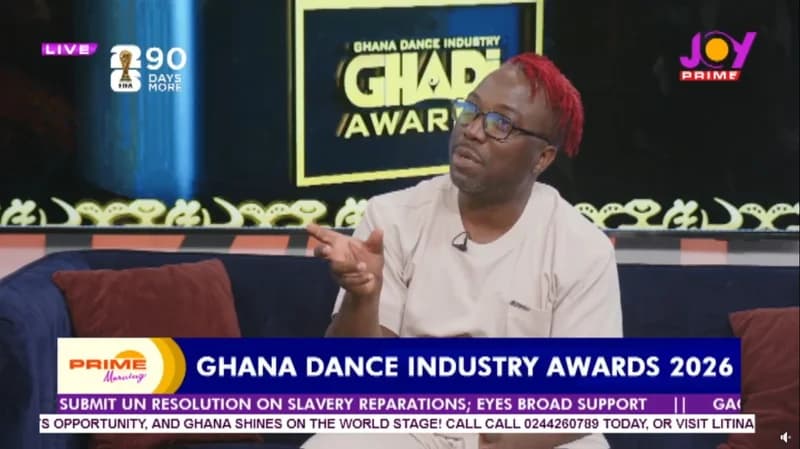
Domestic award schemes are also gearing up for milestone editions, reflecting a more structured industry. The Telecel Ghana Music Awards (TGMA) is set to announce the nominees for its 27th edition on March 14, 2026, with a specific focus on how digital trends are shaping the current music scene. Furthermore, the dance sector is gaining formal recognition with the third edition of the Ghana Dance Industry Awards scheduled for April 18 at the National Theatre. On the international front, the Ghana Music Awards USA (GMA-USA) recently inducted several distinguished individuals, including Ing. Isaac Ampem Darko and Dr. Sandra Adom, as Life Patrons to honor their lifelong dedication to promoting Ghanaian talent abroad.
Beyond the glitz of awards and international tours, the industry is seeing a renewed focus on ownership and professional growth. Gospel singer Kofi KariKari recently addressed misconceptions regarding his global hit, "We Bow Down and Worship Yahweh," confirming he is the original composer after years of many assuming the song originated from the West. This revelation highlights the need for better awareness of intellectual property within the local scene. Complementing this sentiment, musician Odeku La recently shared insights on the financial realities of the craft, urging upcoming artists to view music as a serious profession that requires personal investment and independent strategy rather than relying solely on record labels.
These collective developments—ranging from international chart-topping collaborations and European festival expansions to the rigorous honoring of local pioneers—signal a transformative era for Ghana’s creative arts. As the industry moves toward 2026, the focus is clearly shifting toward global integration and professional sustainability. With major announcements from the country’s biggest stars and the continuous evolution of its award-winning bodies, the Ghanaian entertainment scene is positioning itself as a dominant force in the global cultural economy, promising a year of unprecedented visibility for both established and emerging talents.
This story touches markets covered on Anansi Intelligence ↗.
Related topic
Shatta Wale: Latest News & Updates →More from entertainment
Continue exploring similar stories


