••
Senegal World Cup Campaign in Jeopardy Amid Unpaid Bonuses and Internal Camp Unrest
•2 min read•4 sources
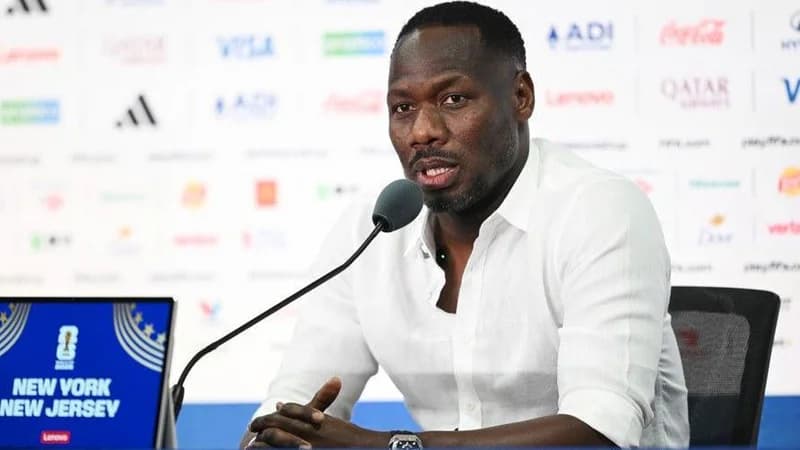
Senegal's World Cup dreams are hanging by a thread following two consecutive losses and a series of damaging internal disputes that have overshadowed their on-field performance. After suffering defeats at the hands of France and Norway, the Teranga Lions sit at the bottom of their group with zero points. The team, which entered the tournament with high hopes of surpassing their historic 2002 quarter-final run, now faces a must-win clash against Iraq to avoid an early exit. However, the narrative surrounding the squad has shifted from tactical analysis to reports of administrative failures and growing player dissatisfaction.
At the heart of the crisis are serious allegations regarding unpaid bonuses and significant friction over the team's logistics. Sources indicate that the camp has been rocked by disputes over a late change in the team's chef, leading to widespread complaints about the quality of food served at their four-star hotel. While the players have maintained a public front of focus and unity, entourage members and non-athlete staff have been vocal about the catering issues. These distractions, coupled with broader political instability back home in Senegal, have created a tense atmosphere that former players fear is actively undermining the squad’s focus and physical preparation.
The administrative backdrop has been equally chaotic for the West African giants. Head coach Pape Thiaw recently ended a period of intense uncertainty by signing a contract extension worth £480,000 per year, but the agreement was only reached after protracted negotiations and significant delays that contributed to the camp's instability. Relations between the technical team and the national federation remain strained, further complicated by external logistics. Fans have also been sidelined, with strict travel restrictions and a poorly managed ticket distribution system limiting the vital support typically provided by the Senegalese faithful.
As Senegal prepares for their decisive final group match against Iraq, the pressure on Thiaw and his players is immense. To keep their tournament hopes alive, they must silence the noise of the off-field scandals and deliver a clinical performance. Whether the team can reconcile these internal grievances in time to secure a victory remains the defining question of their campaign. For a nation that views itself as a premier powerhouse of African football, an exit at this stage—overshadowed by basic issues of bonuses and food quality—would be regarded as a significant failure of leadership and management.
This story touches markets covered on Anansi Intelligence ↗.
More from sports
Continue exploring similar stories


