••
Senegal's Political Landscape Shifts as President Faye Appoints New PM Amid Standoff with Ousmane Sonko
•3 min read•20 sources
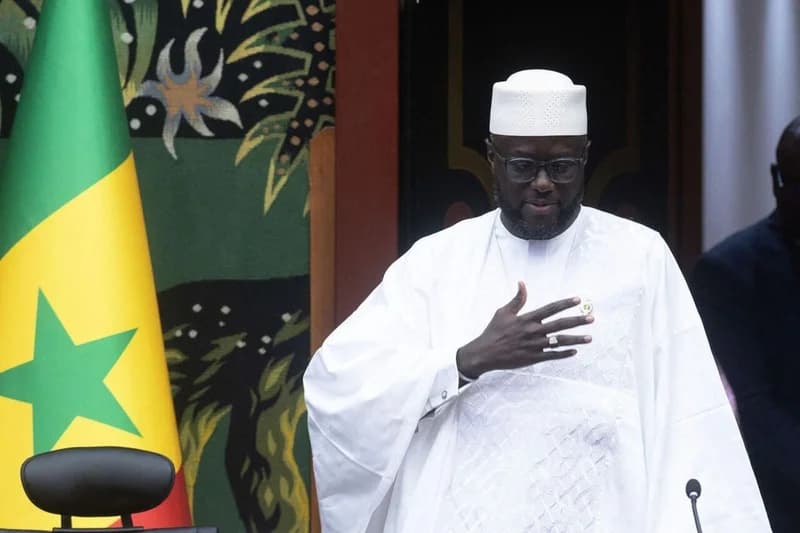
Senegal has entered a period of significant political realignment following President Bassirou Diomaye Faye's decision to dismiss Prime Minister Ousmane Sonko and dissolve his government. To navigate the country’s deepening financial crisis, President Faye has appointed Ahmadou Al Aminou Lo, a 60-year-old seasoned economist and former head of the Central Bank of West African States (BCEAO), as the new Prime Minister. This leadership change marks a definitive break in the alliance between Faye and his former mentor, Sonko, whose populist and sovereigntist economic rhetoric increasingly clashed with the President's preference for orthodox reforms and international cooperation to address the nation's soaring debt.
The restructuring comes at a critical juncture for Senegal’s economy, which is currently burdened by a public debt reaching 132% of GDP. The International Monetary Fund (IMF) recently froze a $1.8 billion lending program after discovering that previous debt figures had been misreported. Prime Minister Lo’s primary mandate is to restore investor confidence and renegotiate with international creditors. In his first public remarks, Lo emphasized the need for financial stability and systemic transformation, while also acknowledging the work of the previous administration. However, the pivot toward IMF-backed solutions represents a sharp departure from Sonko’s domestic-focused economic agenda, further cementing the ideological rift at the heart of the ruling coalition.
Despite his dismissal from the executive branch, Ousmane Sonko has rapidly re-emerged as a central political force after being elected Speaker of the National Assembly. Sonko, who leads the majority Pastef party, secured 132 votes in a lopsided election that followed the sudden resignation of former Speaker El Malick Ndiaye. The proceedings were marred by a boycott from opposition lawmakers, who labeled Sonko's transition from Prime Minister to Speaker without a formal cooling-off period as an "institutional coup." Sonko has pledged that the legislature will maintain its role as a check on executive power, signaling a potential era of legislative gridlock between the presidency and the National Assembly.
As the dust settles on this government reshuffle, the political future of Senegal remains precarious. The tension between Faye and Sonko is now institutionalized, with the two leaders controlling separate branches of government while navigating a volatile economic climate. With recent electoral reforms allowing Sonko to remain a viable political contender, analysts suggest this rift could set the stage for a major confrontation in the 2029 presidential elections. For now, the immediate challenge for the Faye administration lies in whether Prime Minister Lo can successfully implement the reforms required to unlock IMF support and stabilize a nation caught between the need for fiscal discipline and the persistent call for anti-establishment change.
This story touches markets covered on Anansi Intelligence ↗.
More from politics
Continue exploring similar stories


