••
Philanthropist Alhaji Seidu Agongo Donates GHC1.45m as Ghana Grapples with Devastating Floods and 34 Reported Deaths
•2 min read•3 sources
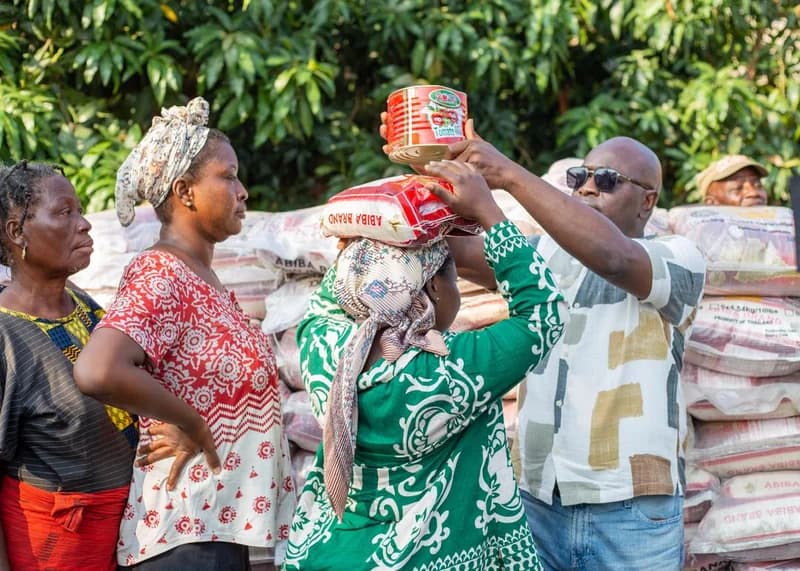
Ghana is currently facing a humanitarian crisis following devastating floods that have claimed at least 34 lives and displaced thousands across the Greater Accra, Central, and Volta regions. The June 29, 2026, floods have left a trail of destruction, highlighting the country's vulnerability to extreme weather events and the urgent need for robust disaster management. In the wake of this disaster, prominent businessman and philanthropist Alhaji Seidu Agongo has stepped forward with a significant relief package valued at GHC1.45 million to support affected residents in some of the hardest-hit urban areas.
Alhaji Agongo’s intervention focused on the densely populated communities of Nima and Mamobi in Accra, where he delivered essential relief items including rice, tomatoes, and milk. Reflecting on his contribution under the theme "Service to mankind is service to Allah," Agongo emphasized that wealth should be used as a tool for compassion and community upliftment. He noted that the magnitude of the crisis requires more than just government intervention, calling on other business leaders and corporate entities to join the effort to support the underprivileged and help restore the livelihoods of those who have lost everything.
Beyond the immediate need for food and shelter, the floods have exposed deep-seated social vulnerabilities. Reports indicate that women, girls, and children have been disproportionately affected, often serving as first responders in their households while facing increased risks in overcrowded emergency shelters. There are growing concerns regarding the safety and dignity of these vulnerable groups, with experts warning of potential exploitation and long-term disruptions to girls' education. The crisis has sparked a national conversation on the necessity of gender-sensitive disaster response policies that prioritize the protection of the most at-risk populations.
In addition to immediate relief, there is a mounting call for systemic reforms to prevent future occurrences of such magnitude. Alhaji Agongo and various community advocates have urged government agencies to strictly enforce waste disposal laws and improve drainage infrastructure to mitigate flood risks. The prevailing sentiment among stakeholders is that Ghana must adopt a united, non-partisan approach to disaster preparedness. As future rains are anticipated, the focus remains on shifting from reactive relief to proactive safeguarding, ensuring that infrastructure and urban planning can withstand the challenges of a changing climate.
This story touches markets covered on Anansi Intelligence ↗.
More from africa
Continue exploring similar stories


