••
Former MASLOC CEO Extradited to Serve 10-Year Sentence as NDC Rejects Speculation of Presidential Pardon
•3 min read•20 sources
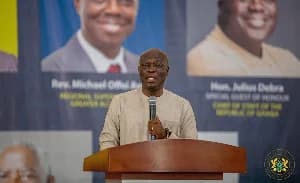
The extradition of Sedina Tamakloe-Attionu, the former Chief Executive Officer of the Microfinance and Small Loans Centre (MASLOC), from the United States to Ghana marks a significant milestone in the country's pursuit of cross-border justice. Convicted in absentia for causing a financial loss of nearly GH"90 million to the state between 2013 and 2016, Tamakloe-Attionu has begun serving a 10-year prison sentence following her return. Her arrival has sparked intense political discourse, with National Democratic Congress (NDC) officials, including National Coordinator Nii Lante Vanderpuye and Akwatia MP Bernard Bediako Baidoo, firmly dismissing rumors that former President John Dramani Mahama would grant her a pardon. They emphasized that the extradition serves as a stern warning that public officials will be held accountable for misconduct, regardless of their political standing.
The case against Tamakloe-Attionu, which involved over 70 counts of embezzlement and money laundering, is being treated as a pivotal enforcement of anti-corruption measures. Despite her legal team's efforts to appeal the conviction, the Attorney General’s Office continues to oppose any challenge to the ruling. Nii Lante Vanderpuye encouraged the former CEO to view her incarceration as an opportunity for personal growth and reconstruction, citing other public figures who have overcome similar adversity. Meanwhile, U.S. authorities have praised the extradition process as a sign of strengthened law enforcement ties between the two nations, even as the arrest remains a point of political division within Ghana.
Parallel to the MASLOC case, other high-profile legal proceedings continue to test the integrity of Ghana's judicial system. In the trial of former BNC Director-General Kwabena Adu-Boahene, prosecution witness Mildred Donkor recently faced rigorous cross-examination regarding discrepancies between internal Excel spreadsheets and official bank statements. The court has adjourned the matter to mid-June 2026 for further testimony. Simultaneously, a tragic incident in the Ahafo Region has drawn attention to the rights of the accused; the family of Emmanuel Asamoah is demanding an independent investigation into his death in custody, alleging he was convicted and imprisoned without legal representation for an old assault case.
These developments in Ghana occur amid a global landscape of heightened accountability for political and financial figures. Recent international headlines include the sentencing of former South Korean President Yoon Suk Yeol to an additional 30 years for treason, and the denial of an appeal for FTX founder Sam Bankman-Fried in the United States. As Ghana navigates these domestic and international legal milestones, the focus remains on whether these high-stakes cases will lead to enduring institutional reforms and the reinforcement of the rule of law in the public sector.
This story touches markets covered on Anansi Intelligence ↗.
Related topic
NDC (National Democratic Congress): Latest News →More from politics
Continue exploring similar stories


