••
Ghanaian Music Icons Shine Globally as Sarkodie and Kojo Antwi Lead Independence Day Celebrations Abroad
•3 min read•8 sources
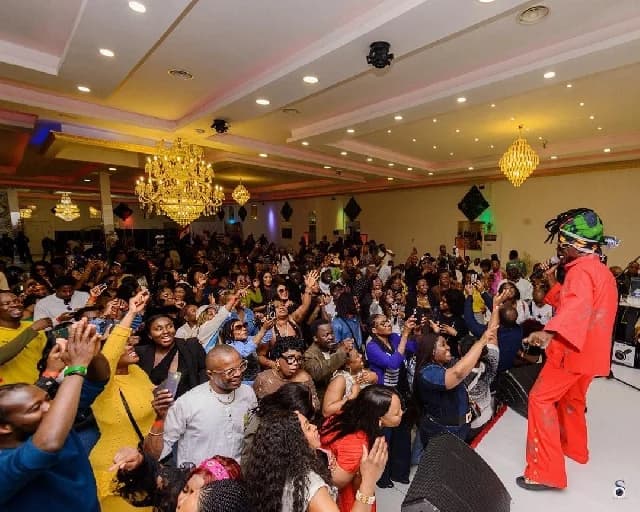
Ghana’s 69th Independence Anniversary on March 6, 2026, served as a vibrant backdrop for significant milestones in the nation’s entertainment industry, both at home and abroad. Highlife legend Kojo Antwi electrified audiences in France with a performance that blended nostalgia and patriotic pride, connecting the Ghanaian diaspora to their heritage. Meanwhile, in London, rap icon Sarkodie hosted his 'Rapperholic UK' concert at the prestigious Royal Albert Hall. The event featured a high-energy performance by hypeman Abeiku Sarkcess, whose 'azonto' dance with Sarkodie went viral on social media, while DJ Speech kept the momentum high. Despite the celebration, the concert sparked a debate back home, prompting promoters Akwaaba UK to defend the show’s success against critics who questioned the venue size and turnout, while Sarkodie announced plans to move to the O2 Arena in 2027.
The domestic scene was equally momentous as gospel sensation Celestine Donkor marked two decades of music ministry. The 12th edition of 'Celestial Praiz,' held at Victory Bible Church in Awoshie on Independence Day, featured soul-stirring performances from African gospel stars like Piesie Esther, Kweku Teye, and Tembalami. A poignant highlight of the night was a public renewal of marriage vows by Celestine’s husband, Kofi Donkor, adding a layer of personal celebration to the spiritual event. These milestones reflect the enduring influence of established artists and the continued growth of Ghana’s diverse musical genres through consistent dedication to their craft.
Beyond the stage lights, industry figures have recently opened up about the ethical and financial challenges inherent in the music business. MC Portfolio shared a story of personal integrity, revealing his 2020 rejection of a GH"15,000 bribe intended to influence artist selection for Shatta Wale’s 'Ahodwo Las Vegas' project in Kumasi. Similarly, RuffTown Records CEO Bullet (Ricky Nana Agyemang) highlighted the financial risks of artist promotion, disclosing that he remains in debt from the heavy personal sacrifices and loans used to finance the late dancehall star Ebony’s career. These revelations underscore the complex realities and the high price of building sustainable careers in the Ghanaian music industry.
Looking toward the future, Ghanaian artists are increasingly eyeing global recognition and cross-cultural collaborations. Acclaimed flautist Dela Botri has expressed a strong desire to collaborate with mainstream stars like Shatta Wale to leverage traditional sounds for Grammy success, citing the impact of indigenous music on international recognition. This sentiment of musical evolution is echoed internationally by Jamaican singer Timmy Love, who recently released a reggae rendition of the classic 'Forever Young' to bridge generational and cultural gaps. As the industry evolves, the Ghanaian entertainment landscape continues to demonstrate a unique blend of heritage, resilience, and expanding global ambition.
This story touches markets covered on Anansi Intelligence ↗.
Related topic
Shatta Wale: Latest News & Updates →More from entertainment
Continue exploring similar stories


