••
Prof. Samuel Ato Duncan Unveils "Real Intelligence" Initiative to Democratize Global Knowledge
•2 min read•1 source
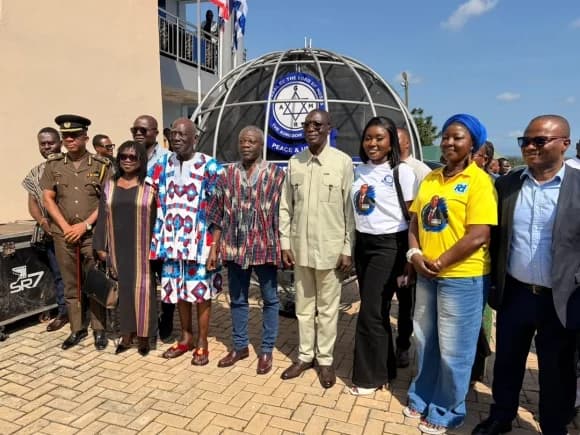
Prof. Samuel Ato Duncan, the Executive President of the Global Peace Mission, has officially launched the "Real Intelligence" initiative in Ghana’s Central Region, advocating for a world where critical knowledge and technological advancements are accessible to all without cost. The initiative seeks to redefine how information is shared globally, emphasizing that true intelligence should serve as a collective asset rather than a gatekept resource. Speaking at the launch event, Prof. Duncan underscored the urgency of fostering a new era of innovation that prioritizes human progress and research over commercial barriers.
Central to the "Real Intelligence" concept is the promotion of rigorous technology development and expanded research capabilities within Ghana and beyond. Prof. Duncan issued a pointed warning regarding what he described as an "inevitable internal shutdown," suggesting that without the proactive dissemination of knowledge and the adoption of this new intelligence framework, global systems could face significant disruption. The initiative is designed to mitigate such risks by equipping individuals and nations with the intellectual tools necessary to navigate future technological and societal challenges.
The launch received high-level endorsement from traditional leadership, with Daasebre Kwebu Ewusi VII, the Paramount Chief of the Abeadze Traditional Area, calling on Ghanaians to fully embrace the project. The Paramount Chief characterized the initiative as a "global asset" that transcends national borders, urging both local and international stakeholders to support the vision. He highlighted the potential for the "Real Intelligence" framework to benefit humanity at large, positioning Ghana as a hub for transformative thinking and inclusive innovation.
As the initiative moves forward, its success will likely depend on the level of collaboration it can garner from researchers, technologists, and policymakers. By advocating for "Real Intelligence" to be free to the world, Prof. Duncan and his supporters are challenging existing intellectual property paradigms in favor of a model that prioritizes global stability and peace. This mission represents a bold attempt to leverage Ghanaian-led innovation to address complex global issues, potentially setting a precedent for how future technological breakthroughs are managed and shared on the international stage.
