••
ROVECA Pupils Re-enact Slave Trade Horrors at Pikworo Slave Camp for Emancipation Day 2026
•2 min read•1 source
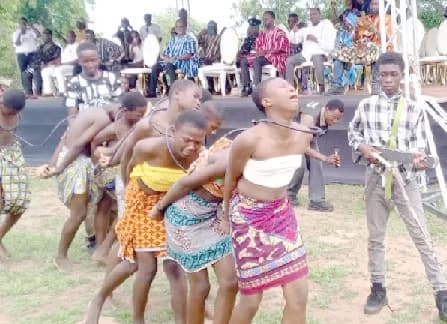
In a poignant tribute to African history and resilience, pupils from ROVECA Preparatory School staged a moving re-enactment of the transatlantic slave trade at the Pikworo Slave Camp in Paga. The performance, held on July 21, 2026, served as the centerpiece for the year's Emancipation Day celebrations in the Upper East Region. Through a combination of poetry and dramatic performance, the students vividly portrayed the harrowing experiences of captured Africans, illustrating the systemic destruction of families and the dehumanization of individuals who were often 'chained and priced like cattle' before their forced journey across the Atlantic.
The dramatic presentation at the historic site did more than just recount past atrocities; it served as a powerful medium for conveying messages of hope and the enduring strength of the African spirit. By utilizing the authentic backdrop of the Pikworo Slave Camp, the pupils were able to bridge the gap between historical education and emotional understanding, drawing a direct line from the struggles of the past to the identity of modern Ghana. The performance was widely praised for its depth and its ability to connect the younger generation with their cultural heritage in a visceral and unforgettable manner.
Speaking at the event, key figures emphasized the contemporary relevance of the abolitionist movement. Wisdom Ahadzi of the Ghana Tourism Authority and Cuthbert Ncube, representing the African Tourism Board, addressed the gathered crowd on the necessity of continued vigilance against modern forms of exploitation. They argued that while the historic slave trade has ended, the struggle to safeguard African dignity and economic independence remains a pressing priority. The speakers called for systemic reforms and a collective responsibility among African nations to ensure that the continent's resources and people are never again subjected to external subjugation.
The 2026 Emancipation Day celebration at Paga highlighted the vital role that heritage sites play in fostering continental unity and connecting the African diaspora. As participants reflected on the horrors depicted by the ROVECA pupils, the consensus among leadership was that these sites must be preserved not only as monuments to suffering but as catalysts for a unified African future. By remembering the past through such evocative performances, the event reinforced the commitment to building a resilient Africa that honors its history while aggressively pursuing progress and social justice.
This story touches markets covered on Anansi Intelligence ↗.
More from africa
Continue exploring similar stories


