••
Legal Battles and Security Breaches: Global and Local Stars Rihanna, Katy Perry, and Mzbel Face Courtroom Showdowns
•3 min read•9 sources
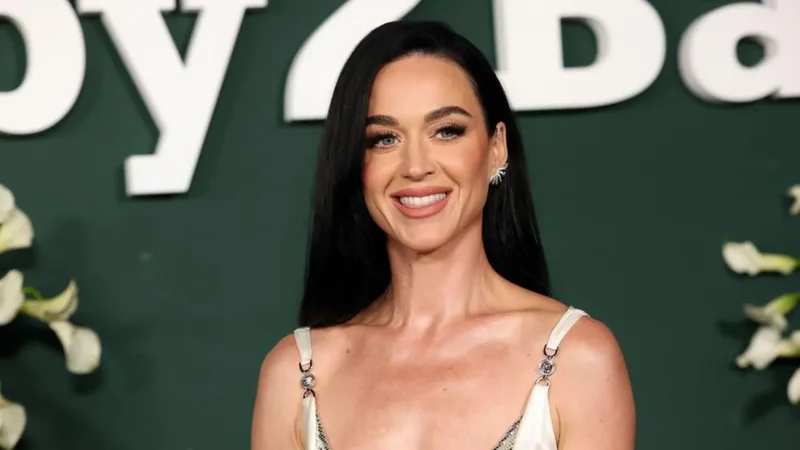
The entertainment world is currently navigating a series of high-stakes legal and security challenges, ranging from a violent shooting at the home of global superstar Rihanna to a landmark trademark ruling against Katy Perry and a contentious defamation suit involving Ghanaian singer Mzbel. These cases highlight the diverse range of threats and legal hurdles faced by high-profile figures, where personal safety, brand identity, and reputation are increasingly at risk. In one of the most severe incidents, 35-year-old Ivanna Lisette Ortiz has been charged with attempted murder after allegedly firing a semiautomatic rifle at Rihanna’s Los Angeles mansion while the singer and her partner, A$AP Rocky, were inside. Ortiz, who was arrested shortly after the attack, reportedly harbored a bizarre obsession with the singer, posting incoherent social media content accusing Rihanna of witchcraft and theft. She now faces multiple felony counts and a potential life sentence, with bail set at $1.875 million.
Simultaneously, pop icon Katy Perry has faced a significant legal setback in Australia, losing a long-running trademark dispute against independent designer Katie Taylor. Taylor, who operates the fashion brand "Katie Perry," successfully argued that her business, established in 2007, does not infringe upon the singer's brand or cause consumer confusion. The Australian High Court emphasized that the singer’s reputation is so well-established that ordinary consumers would not mistake the two entities. Taylor has hailed the verdict as a monumental victory for small business owners, marking the end of a multi-year legal saga that saw initial rulings overturned before reaching this final resolution. The court's decision underscores the protections afforded to local entrepreneurs against global corporate interests.
On the local front in Ghana, the legal dispute between veteran musician Mzbel and Prophet Fire Oja has intensified following a second court appearance. The conflict stems from allegations made by the pastor regarding Mzbel’s health, which he claimed was linked to a ritual—accusations the singer has vehemently denied. Despite demands from Mzbel’s legal team for a formal retraction and apology, Fire Oja has maintained a defiant stance, stating he will only apologize if specifically ordered to do so by the court. He has further accused the singer of spreading falsehoods regarding his alleged arrest after their first hearing, deepening the animosity between the two parties.
These disparate cases collectively illustrate the complex intersections of celebrity life, law, and public perception. Whether defending a physical residence from a motivated stalker, a brand name from a small-scale designer, or a personal reputation against spiritual leaders, the modern entertainer operates in a landscape where legal action is often the only recourse for protection. As these proceedings move forward, they serve as a reminder of the unique vulnerabilities that come with fame, as well as the significant role the judiciary plays in mediating the boundaries of influence and accountability in the public eye.
This story touches markets covered on Anansi Intelligence ↗.
More from entertainment
Continue exploring similar stories


